Understanding the Glass Cutting Machine Industry
The glass cutting machine industry is an essential sector within manufacturing, serving a variety of applications from construction to art and design. As a glass cutting machine supplier, Eworld Machine has become a leading name in China, specializing in advanced machinery solutions that enhance both efficiency and precision in glass processing. This comprehensive guide aims to dissect the complexities of glass cutting machines, their suppliers, and what buyers need to know to make informed decisions.
What is a Glass Cutting Machine?
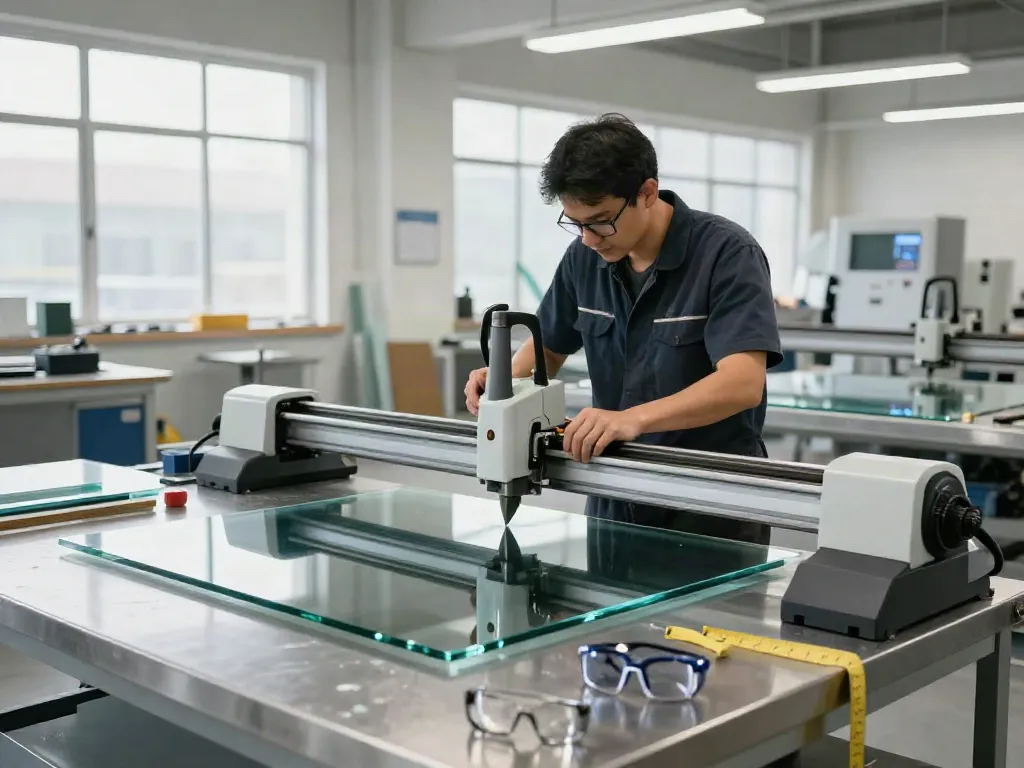
A glass cutting machine is a device designed to cut glass sheets into predefined sizes and shapes with high precision. These machines can operate manually or automatically, depending on the complexity of the design and the production scale. They vary in technology—from simple hand-held cutters to sophisticated CNC glass cutting machines that utilize advanced algorithms and software for precise cutting. The choice of machine often depends on the specific needs of the manufacturing process, including volume, thickness, and type of glass being handled.
Significance of Glass Cutting Machine Suppliers
Suppliers play a crucial role in the glass cutting machine industry, acting as intermediaries between manufacturers and end-users. They provide not only the machinery but also essential services such as technical support, maintenance, and training. A reputable supplier can significantly impact a business's productivity and efficiency, making the selection process critical for any company relying on glass processing. The right supplier will ensure that the machinery meets regulatory standards and is equipped to handle various types of glass effectively.
History and Evolution of Glass Cutting Technology
The origins of glass cutting can be traced back thousands of years to ancient civilizations that utilized simple tools to shape glass. However, significant advancements in technology have transformed the industry dramatically. The introduction of CNC (Computer Numerical Control) technology in the late 20th century revolutionized glass cutting by allowing for more precise and programmable cuts. This technology has continued to evolve, leading to the development of machines that can handle complex designs with minimal human intervention, increasing productivity and reducing waste.
Choosing the Right Glass Cutting Machine Supplier
Finding the right supplier is as significant as selecting the machine itself. It requires a detailed evaluation of various factors that can influence your purchasing decision and future operations.
Key Factors to Consider
- Experience and Reputation: Look for suppliers with a solid track record in the industry.
- Product Range: Ensure the supplier offers a variety of machines that fit your specific needs.
- Technical Support: Evaluate the level of ongoing support and training provided.
- Warranty and Service Conditions: Understand the warranty terms and what services are covered.
- Customer Feedback: Research reviews and testimonials from previous clients.
Evaluating Supplier Credentials and Experience
When assessing potential suppliers, consider their years of experience, market presence, and expertise. A supplier with a long-standing reputation is likely more reliable, as they have successfully navigated industry changes and have a better understanding of customer needs. It's beneficial to ask for case studies or references from past clients to gauge their effectiveness and reliability.
Questions to Ask Potential Suppliers
Before making a final decision, it's essential to have a comprehensive discussion with potential suppliers. Here are some important questions to consider:
- What types of glass cutting machines do you offer?
- Can you provide examples of successful installations?
- What is your process for troubleshooting and support?
- What training do you offer for using your machines?
- How do you handle warranty claims and repairs?
Types of Glass Cutting Machines Offered by Suppliers
The variety of glass cutting machines available can accommodate different needs, from small shops to large manufacturing facilities. Understanding the types available will help you make informed choices.
Manual vs. Automatic Glass Cutting Machines
Manual glass cutting machines, while being more traditional, can be very effective for smaller operations or custom projects where precision is less critical. These machines often require skilled operators who have a deep understanding of glass cutting techniques. On the other hand, automatic machines, especially CNC models, are designed for high-volume production and can execute complex cuts with minimal supervision.
The Role of CNC Technology in Glass Cutting
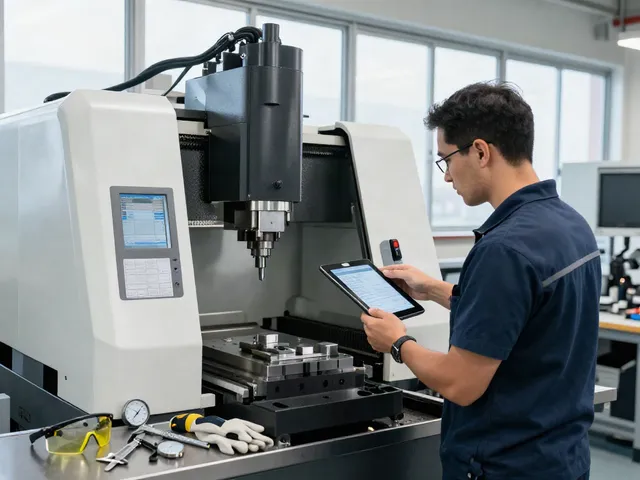
CNC technology has become a game-changer in the glass cutting industry. These machines offer unparalleled precision and repeatability, making them ideal for intricate designs and large production runs. By programming the machine, operators can create complex shapes with ease, drastically reducing manual labor while increasing output and accuracy. Furthermore, CNC glass cutting machines can often be integrated with design software, streamlining the entire production process.
Specialized Machines for Unique Glass Types
Not all glass is created equal, and different types (such as tempered, laminated, or colored glass) may require specialized cutting equipment. Suppliers often provide machines that are specifically designed to handle these unique categories, ensuring that the integrity and quality of the glass are maintained during cutting.
Best Practices for Using Glass Cutting Machines
Operating a glass cutting machine requires knowledge and skill. Adopting best practices not only improves efficiency but also enhances safety for the operator.
Safety Precautions When Operating Glass Cutting Machines
Safety should always be the top priority during glass cutting operations. Operators should wear appropriate protective gear, such as gloves and goggles, and adhere to all safety guidelines provided by the machine manufacturer. It is also vital to maintain a clean workspace to avoid accidents and ensure that all safety features of the machine are functional before use.
Maintenance Tips for Longevity and Efficiency
Regular maintenance is crucial to the longevity of glass cutting machines. This includes routine inspections, timely oiling of moving parts, and replacing worn components. Following the manufacturer's maintenance schedule can prevent major breakdowns and ensure that the machine operates at peak performance.
Techniques to Achieve Precise Cuts
Achieving precise cuts requires a blend of the right machinery and skilled operation. Operators should familiarize themselves with the machine's settings and calibrate it according to the glass thickness and type. They should also practice cutting techniques to minimize errors and ensure clean edges. Using the right cutting tools and maintaining them in good condition will also contribute significantly to the quality of the cuts.
Future Trends in Glass Cutting Technology
The glass cutting industry is continually evolving, influenced by technological advancements and changing market demands.
Emerging Innovations in Glass Cutting Machines
Innovations such as smart automation, artificial intelligence, and advanced robotics are set to redefine glass cutting. Manufacturers are integrating IoT (Internet of Things) capabilities into machines, allowing for real-time monitoring and analytics. This will lead to predictive maintenance, reducing downtime and improving overall efficiency in production.
Sustainability Practices Among Glass Cutting Suppliers
As industries move towards sustainable practices, glass cutting suppliers are exploring eco-friendly materials and energy-efficient machines. This not only helps reduce the carbon footprint but also appeals to companies looking to improve their environmental impact. The use of recycled materials in machinery and sustainable manufacturing processes will become more prevalent, reflecting a significant industry shift towards sustainability.
Industry Predictions for 2026 and Beyond
As we look towards 2026, the glass cutting industry is poised for substantial growth driven by technological advancements and market needs. With increasing demand for customized solutions, suppliers who innovate and adapt will thrive. Moreover, the integration of AI and machine learning into operations will lead to better efficiency and reduced costs, fundamentally changing the landscape of the glass cutting machine industry.
What should I look for when choosing a glass cutting machine supplier?
Critical factors include the supplier's experience, product range, technical support, and customer testimonials. Look for suppliers who can provide tailored solutions for your specific needs.
Are there safety concerns with glass cutting machines?
Yes, glass cutting machines can pose risks if not operated safely. It is crucial to adhere to safety protocols and use proper protective gear to mitigate these risks.
How can I ensure high-quality cuts with my glass cutting machine?
Regular maintenance, correct machine settings, and operator training are essential for achieving high-quality cuts. Familiarize yourself with best practices and ensure that all tools are in optimal condition.
What are the benefits of automatic vs. manual glass cutting machines?
Automatic machines offer higher efficiency, precision, and reduced labor costs, making them suitable for large-scale production. Manual machines, while requiring skilled operators, can be more flexible for custom jobs.
What advancements can we expect in glass cutting technology by 2026?
Future advancements may include enhanced automation, AI integration for predictive analytics, and a focus on sustainable practices, all contributing to more efficient and environmentally friendly glass cutting processes.