Understanding CNC Machining Parts Manufacturing
CNC machining has revolutionized the manufacturing industry by providing precision, efficiency, and versatility in producing a wide range of parts. As industries evolve, the demand for cnc machining parts manufacturer services continues to grow. With advancements in technology, manufacturers are better equipped to meet the diverse needs of clients, ensuring that they maintain a competitive edge in their respective fields.
What is a CNC Machining Parts Manufacturer?
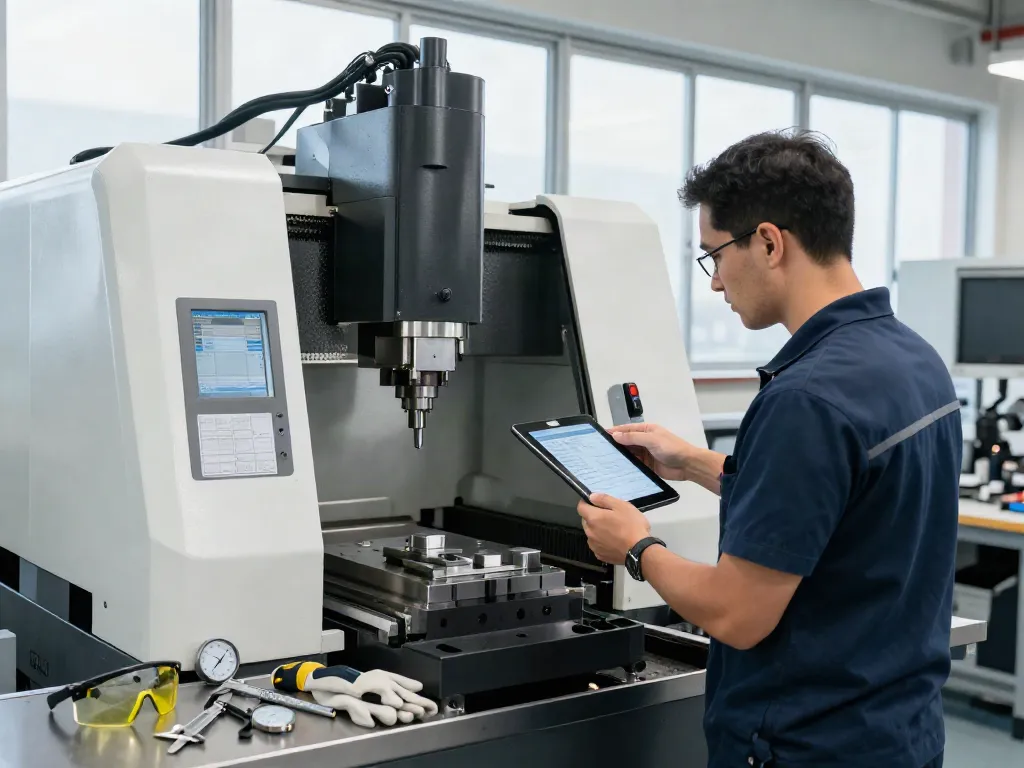
A CNC machining parts manufacturer utilizes computer numerical control (CNC) technology to produce parts with high precision. These manufacturers convert digital designs into physical products, using various machining processes such as milling, turning, and drilling. This technology allows for tight tolerances and complex geometries that are often unattainable with traditional manufacturing methods.
Core Technologies Behind CNC Machining
The backbone of CNC machining lies in several core technologies:
- CNC Milling: Involves using rotating cutting tools to remove material from a workpiece, producing flat or contoured surfaces.
- CNC Turning: Involves rotating a workpiece while a stationary cutting tool cuts into the material, ideal for producing cylindrical shapes.
- 3D Printing: An innovative approach in CNC that allows for additive manufacturing, creating parts layer by layer using digital models.
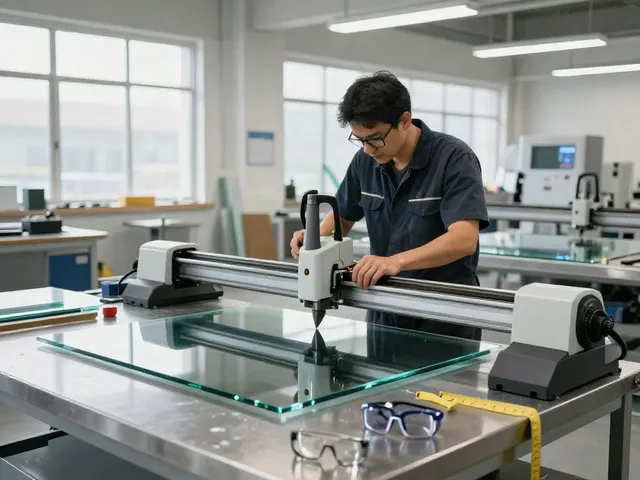
- Laser Cutting: Utilizes focused laser beams to cut materials with high precision and minimal waste.
Key Industries Utilizing CNC Machining Parts
CNC machining parts are integral to several industries, including:
- Aerospace: For developing lightweight and durable components that meet strict safety regulations.
- Automotive: Producing high-precision parts for engines, transmissions, and other vital systems.
- Creating custom implants and surgical instruments that require stringent quality control.
- Electronics: Manufacturing enclosures, connectors, and circuit boards with complex geometries.
Top Advantages of Professional CNC Machining Services
Engaging with professional CNC machining services offers numerous advantages that can enhance the manufacturing process.
Enhanced Precision and Quality Assurance
One of the primary benefits of CNC machining is the remarkable precision it affords. Manufacturers can achieve tolerances of ±0.001 inches, ensuring that each part produced meets the exact specifications required. Furthermore, continuous quality assurance protocols help maintain and improve the quality of production, reducing the likelihood of defects.
Rapid Prototyping and Fast Turnaround Times
CNC machining significantly reduces the time needed for prototyping. This rapid prototyping capability allows companies to test their designs quickly and make adjustments as needed, resulting in shorter product development cycles.
Cost Efficiency Over Traditional Manufacturing Methods
The automation involved in CNC machining reduces labor costs and material waste, making it a cost-effective option for manufacturing. While the initial investment in CNC machinery may be high, the long-term savings in labor and materials often justify this expense.
Common Challenges in CNC Machining Parts Production
Despite the numerous advantages, CNC machining does come with its own set of challenges.
Addressing Design and Engineering Flaws
Even minor flaws in design or engineering can lead to costly errors in the machining process. Effective communication between designers and machinists is essential to identify and rectify issues early in the production cycle.
Managing Material Waste and Efficiency
While CNC machines are designed for precision, material waste can still occur. Manufacturers must continually assess their processes to minimize waste and improve overall efficiency.
Quality Control Issues in Production
Quality control is crucial in CNC machining. Manufacturers need to implement rigorous testing and monitoring procedures to ensure that all parts meet required standards, which can often be a resource-intensive process.
Best Practices for Sourcing CNC Machining Services
When seeking CNC machining services, adopting best practices can enhance the sourcing process.
Evaluating Manufacturer Capabilities and Technologies
Research potential manufacturers thoroughly. It's vital to evaluate their technological capabilities, production capacity, and expertise in specific materials and processes.
How to Develop a Strong Supplier Relationship
Establishing and nurturing a good relationship with your CNC machining parts manufacturer can lead to better collaboration and improved outcomes. Regular communication, sharing feedback, and discussing future projects can foster a productive partnership.
Assessing Total Cost of Ownership and Value
It's essential to consider not just the initial costs but also the total cost of ownership. This includes evaluating long-term benefits, such as durability, performance, and the ability to scale production without sacrificing quality.
Future Trends in CNC Machining for 2026 and Beyond
As we look towards the future, several trends are shaping the CNC machining industry.
Integration of Automation and AI in Manufacturing
Automation and artificial intelligence are increasingly being integrated into CNC machining processes. This advancement allows for data-driven decisions, predictive maintenance, and enhanced operational efficiency.
Innovations in Materials for Machined Parts
The development of new materials, such as composites and advanced alloys, is expanding the capabilities of CNC machining. These innovations provide manufacturers with more options relevant to strength, weight, and resistance to wear and corrosion.
Environmental Sustainability in CNC Machining
With mounting pressure to adopt sustainable practices, many manufacturers are focusing on reducing their environmental footprint. This includes improving energy efficiency, minimizing waste, and sourcing sustainable materials.
What are the benefits of CNC machining over traditional methods?
CNC machining offers superior precision, repeatability, and efficiency compared to traditional manual machining. It also allows for more complex geometries and reduces the time required for production and prototyping.
What industries benefit most from CNC machining parts?
Industries such as aerospace, automotive, medical, and electronics significantly benefit from CNC machining due to their need for high precision and quality manufacturing processes.
How do I choose a reliable CNC machining parts manufacturer?
Look for manufacturers with a strong track record, robust quality control systems, advanced technology, and positive client testimonials. Assess their ability to meet your specific requirements and deadlines.
What advancements in technology are influencing CNC machining?
Technological advancements such as IoT (Internet of Things), AI, and machine learning are influencing CNC machining by enabling smart manufacturing solutions that optimize processes and enhance efficiency.
Why is precision critical in CNC machining services?
Precision is paramount in CNC machining because many applications, particularly in aerospace and medical fields, have strict specifications that directly impact safety and functionality.