Understanding Automatic Bag Palletizer Machines
Automatic bag palletizer machines are revolutionizing the way industries handle packaging and distribution. In a world where speed and efficiency are paramount, these machines provide a streamlined approach to palletizing, offering a solution to the labor-intensive processes of the past. The automatic bag palletizer machine represents a significant leap forward in technology, enabling businesses to optimize their operations and improve productivity while ensuring consistent quality.
What is an Automatic Bag Palletizer Machine?
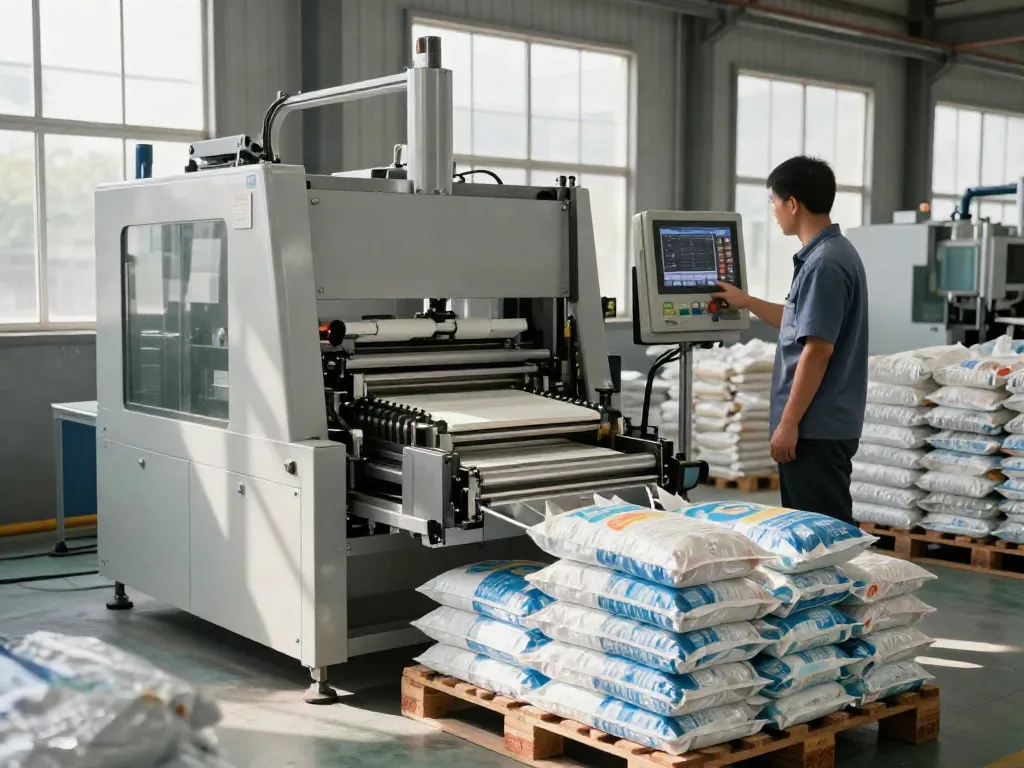
An automatic bag palletizer machine is designed to automate the process of stacking bags onto pallets. These systems are pivotal in various industries, including food, pharmaceuticals, chemicals, and construction. By integrating advanced robotics and artificial intelligence, these machines can handle different bag sizes and weights, ensuring a high degree of flexibility and efficiency. The basic functionality involves receiving bags from a conveyor system, orienting them correctly, and stacking them onto pallets in predetermined configurations.
Key Features and Benefits of Automation
Automatic bag palletizers come with a plethora of features that enhance operational efficiency:
- High Speed: Capable of palletizing multiple bags per minute, significantly reducing the time required for manual stacking.
- Precision: Automated systems ensure consistent stacking patterns, which are crucial for stability during transport.
- Reduced Labor Costs: By minimizing the need for manual labor, companies can reallocate their workforce to other critical areas of production.
- Adaptability: Many models can be adjusted to accommodate various bag types, sizes, and weights.
Industries Benefiting from Bag Palletizing Technology
The versatility of automatic bag palletizer machines allows them to serve a wide range of industries effectively. Some of the key sectors that benefit include:
- Food and Beverage: Ensures that products are packaged and palletized efficiently, maintaining food safety standards.
- Chemicals: Handles hazardous materials safely, ensuring compliance with industry regulations.
- Pharmaceuticals: Guarantees precise packaging for products that require strict quality control.
- Building Materials: Efficiently stacks heavy bags of cement, sand, and other construction materials for distribution.
How Automatic Bag Palletizers Improve Efficiency
Implementing an automatic bag palletizer machine can transform the efficiency of manufacturing operations. By automating the palletizing process, businesses can see a range of improvements across their supply chain.
Reduction of Labor Costs and Error Rates
One of the most significant advantages of using an automatic bag palletizer is the reduction in labor costs. Manual palletizing is not only time-consuming but also prone to human error, leading to misaligned pallets and product damage. Automated systems lower these risks by providing consistent performance and accuracy, which in turn reduces wastage and enhances workplace safety.
Maximizing Throughput and Production Capacity
Automatic bag palletizers are designed to handle large volumes of product efficiently. This capability allows companies to maximize throughput, which is critical in meeting growing consumer demand without compromising quality. By increasing production capacity, businesses can respond swiftly to market changes and maintain a competitive edge.
Streamlining Operations in Multi-Bag Environments
Many manufacturing environments deal with various bag types simultaneously. Automatic bag palletizers can be programmed to handle multiple bag configurations; this adaptability means that businesses can manage diverse production lines without the need for multiple machines, leading to streamlined operations and reduced overhead costs.
Choosing the Right Automatic Bag Palletizer Machine
Selecting the appropriate automatic bag palletizer machine involves considering various factors that align with your business needs and production goals. The right machine can significantly enhance your operational efficiency and overall productivity.
Assessing Your Business Needs and Goals
Before investing in a bag palletizer, it is essential to conduct a thorough analysis of your business objectives. Evaluate your current production processes and identify areas where automation could have the most significant impact. Consider factors such as production volume, bag types, and the specific needs of your supply chain.
Factors to Consider: Size, Speed, and Versatility
When choosing a bag palletizer, assess the following factors:
- Size: Ensure the palletizer fits the space available in your production facility.
- Speed: Select a machine capable of meeting your production rate demands.
- Versatility: Look for a system that can handle various bag types and sizes, ensuring flexibility for future product lines.
Comparing Models from Leading Manufacturers
Research and compare different models from established manufacturers. Look for reviews and case studies that highlight how similar businesses benefited from specific machines. Pay attention to after-sales support, warranty options, and the availability of spare parts to ensure minimal downtime.
Implementation and Maintenance Best Practices
Successfully integrating an automatic bag palletizer into your operations is crucial for maximizing its benefits. An effective implementation strategy and ongoing maintenance are key components of this process.
Step-by-Step Guide to Integrating a Bag Palletizer
Integrating a bag palletizer involves several critical steps:
- Planning: Define the layout of your production line and the specific roles the palletizer will play.
- Installation: Work with professional installers to ensure the machine is set up correctly.
- Testing: Conduct trial runs to troubleshoot any potential issues before full-scale operation.
- Training: Provide comprehensive training to your staff on operating the new machinery.
Regular Maintenance Checks for Optimal Performance
Routine maintenance is vital for ensuring the longevity and efficiency of your bag palletizer. Establish a maintenance schedule that includes regular inspections, cleaning, and software updates. This proactive approach can help prevent costly breakdowns and extend the machine's lifespan.
Training Staff for Maximum Efficiency
Investing in staff training is essential for maximizing the benefits of your automatic bag palletizer. Ensure that operators are not only familiar with machine operation but also understand the basic troubleshooting processes. This knowledge can prevent minor issues from escalating into significant production delays.
Future Trends in Bag Palletizing Technology
The landscape of bag palletizing technology continues to evolve, driven by advancements in automation and artificial intelligence. Businesses must stay informed about emerging trends to remain competitive.
Emerging Innovations in Automation for 2026
As industries adapt to changing demands, innovations such as machine learning and IoT integration are becoming more common in bag palletizing systems. These technologies enable machines to self-adjust based on production data, further enhancing efficiency and reducing downtime.
Predicting Market Developments and Customer Needs
Market research indicates a trend toward customizability in bag palletizers. As businesses seek more tailored solutions, manufacturers are responding by offering machines that can be easily programmed for various products and configurations.
How Industry Standards Are Evolving
As automation expands, industry standards are also evolving. Companies must comply with safety regulations and environmental considerations, pushing manufacturers to enhance their machines' safety features and energy efficiency. Stay updated on these standards to ensure compliance and maintain competitiveness within your market.
How much does a robotic palletizer cost?
The cost of a robotic palletizer can vary significantly based on its features, capabilities, and the specific needs of your operation. Generally, businesses should expect to invest in both equipment and integration costs, but the long-term savings in labor and efficiency often justify the investment.
What are the best automated bagging systems?
The best automated bagging systems depend on your specific requirements. Key factors to consider include the types of products you handle, desired throughput, and the overall complexity of your production line. Reviewing customer testimonials and industry comparisons can provide valuable insights into the most suitable options.
What are the different types of palletizer machines?
Palletizer machines can be broadly categorized into robotic and conventional types. Robotic palletizers use robotic arms to stack bags with high precision, while conventional models typically rely on mechanical systems. Each type offers distinct advantages and can be chosen based on the specific needs of the operation.
What is palletizing automation?
Palletizing automation refers to the use of technology to streamline the process of stacking products onto pallets. This automation significantly enhances production efficiency, reduces labor costs, and minimizes errors, thus creating a more reliable supply chain.
How do automatic bag palletizers enhance safety?
Automatic bag palletizers enhance workplace safety by reducing the need for manual handling of heavy bags, minimizing the risk of injuries. Furthermore, advanced safety features, such as emergency stops and safety guards, are often integrated into these systems, ensuring that operators can work in a safe environment.