The Role of Engineered Composites in Modern Manufacturing
In the realm of construction and materials manufacturing, Glass Reinforced Plastic (GRP) has emerged as a transformative player. As a premier Engineered Composites manufacturer in the UK, we understand the complexities and advantages that GRP products bring to various sectors. With its unique properties, GRP is reshaping how industries approach durability, design, and performance, making it an essential material in today’s market. This article explores the manufacturing techniques, quality control standards, and the technological impact on GRP production, aiming to provide an in-depth understanding of its role in modern manufacturing.
Overview of GRP Manufacturing Techniques
GRP manufacturing primarily involves the combination of glass fibers and a resin matrix, which together enhance the mechanical properties of the finished product. Key techniques include:
- Pultrusion: A continuous manufacturing process where resin-impregnated glass fibers are pulled through a heated die to form a specific shape. This method is prevalent for producing profiles and sections.
- Hand Lay-Up: A labor-intensive but versatile method where layers of resin and glass fibers are manually applied to create complex shapes. This is common for bespoke or low-volume production.
- Filament Winding: Used for creating cylindrical or spherical shapes, this technique involves winding resin-soaked fibers around a rotating mandrel.
- Vacuum Infusion: A process that uses vacuum pressure to draw resin into a fiber preform, resulting in a high fiber-to-resin ratio and excellent mechanical properties.
These techniques not only influence the quality and performance of GRP products but also dictate production efficiency and cost-effectiveness, essential factors for competitive industries.
Quality Control Standards in GRP Products
Quality assurance is paramount in GRP production, especially considering the diverse applications of these materials. Engineered Composites adheres to stringent standards, including:
- ISO 9001: This quality management standard ensures consistent processes and continuous improvement in manufacturing.
- BS EN 13706: It specifies the performance of GRP products, ensuring they meet required strength and durability characteristics.
- BS 476: A fire safety standard that assesses materials for their fire resistance and behavior under fire exposure.
By rigorously following these quality control measures, Engineered Composites guarantees that all GRP products deliver the reliability and safety expected in demanding applications.
The Impact of Technology on GRP Production
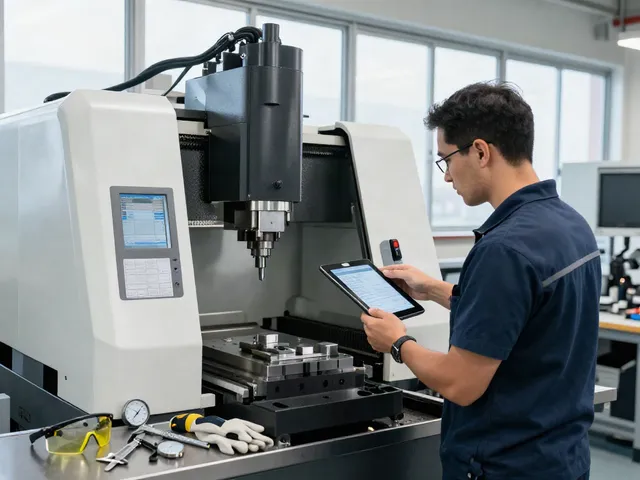
Advancements in technology are significantly shaping GRP manufacturing. Automation in processes such as pultrusion and vacuum infusion enhances precision and reduces labor costs. Innovations in materials, such as the development of fire-retardant resins and enhanced glass fibers, further improve the properties of GRP products, catering to industry demands for better performance and safety. Moreover, digital technologies such as 3D modeling and simulation allow for efficient design processes, reducing time-to-market and fostering innovation in product development.
Benefits of Using Engineered Composites for Construction
When evaluating the materials for construction projects, the advantages of using GRP from Engineered Composites stand out compared to traditional materials like steel or wood.
Comparative Analysis: GRP vs. Traditional Materials
GRP offers numerous benefits over conventional materials:
- Weight: GRP is considerably lighter than steel—up to 70% lighter—making transportation and installation easier.
- Corrosion Resistance: Unlike metals, GRP does not rust or corrode, ensuring longevity even in harsh environments.
- Low Maintenance: GRP products require minimal upkeep, translating to lower operational costs over time.
- Design Flexibility: GRP can be molded into complex shapes, allowing for innovative designs that are difficult to achieve with traditional materials.
This comparative analysis illustrates that for many applications, GRP is not only a viable alternative but often the superior choice in terms of performance and cost-effectiveness.
Cost-Efficiency in Long-term Projects
Investing in GRP may have higher initial costs compared to traditional materials; however, the long-term savings are significant. With a lifespan exceeding 50 years, minimal maintenance needs, and resistance to environmental damage, GRP products prove to be economically advantageous for long-term projects. The reduced need for frequent replacements and repairs further enhances overall project viability, making GRP an attractive option for budget-conscious businesses.
Eco-Friendly Aspects of GRP Products
As sustainability becomes increasingly critical in construction, GRP’s environmental benefits are noteworthy:
- Energy Efficiency: Manufacturing GRP consumes up to 75% less energy compared to steel.
- Recyclability: GRP can be recycled and repurposed, minimizing waste and supporting sustainable practices.
- Durability: The longevity of GRP products translates to lower carbon footprints over their lifecycle.
These eco-friendly aspects align with global sustainability goals, allowing businesses to meet their environmental obligations while benefitting economically.
Safety Standards and Regulatory Compliance
Compliance with safety regulations is non-negotiable, especially in construction. GRP manufacturers must ensure their products meet specific standards to protect users and the environment.
Understanding UK Building Regulations for GRP
The UK building regulations outline the necessary requirements for construction materials, including performance, safety, and sustainability. GRP products supplied by Engineered Composites meet or exceed these regulations, ensuring they are safe for use in public infrastructure and private projects.
Fire Safety Ratings and Compliance Procedures
Fire safety is a critical area of focus. Engineered Composites ensures that its GRP products are manufactured using fire-retardant resins that meet the Class 2 fire rating under BS 476. This certification assures clients that our products will perform safely in fire scenarios, making them suitable for a broad range of applications including transport and utilities.
Impact of Regulatory Changes on Product Development
Regulatory changes often shape product development processes. Staying ahead of regulations, Engineered Composites continuously innovates and adapts its products to ensure compliance with evolving standards. This proactive approach not only ensures safety but also enhances market competitiveness.
Applications of Engineered Composites Across Industries
GRP products are versatile and find applications across various industries due to their unique properties.
GRP Products in the Marine Sector
In marine applications, GRP is celebrated for its resistance to saltwater corrosion and lightweight properties. From boat hulls to dock components, GRP ensures durability and reliability, making it indispensable in the marine industry.
Utility and Infrastructure Applications
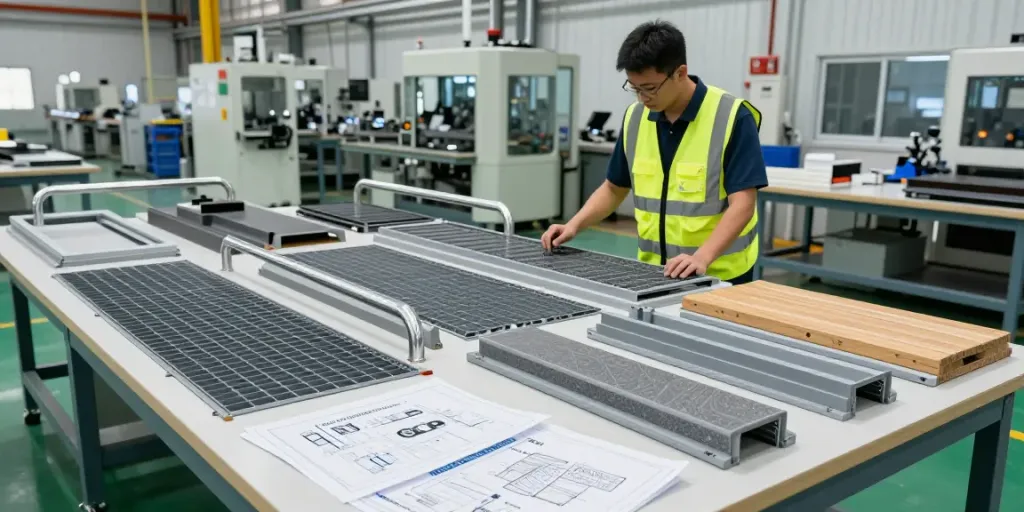
In utility and infrastructure settings, GRP is used for walkways, cable trays, and security fencing. Its non-conductive properties enhance safety in electrical installations, while its durability ensures long-lasting performance in harsh environments.
Innovative Uses in the Automotive Industry
The automotive sector is witnessing a growing trend towards lightweight materials to improve fuel efficiency. GRP is increasingly used in vehicle components, offering strength without the weight burden of metals.
Future Trends for Engineered Composites in 2026 and Beyond
Looking ahead, the potential for Engineered Composites is vast as industries continue to evolve.
Emerging Technologies in GRP Manufacturing
Advancements in 3D printing and automation are expected to reshape GRP manufacturing processes. These technologies will enable faster prototyping, reduce waste, and increase product customization, allowing manufacturers to quickly respond to market demands.
Anticipated Market Growth and Demand Trends
The GRP market is projected to grow significantly, driven by the demand for sustainable and lightweight materials across various sectors, particularly construction, marine, and automotive industries.
Future Challenges and Solutions in GRP Industry
Despite its advantages, the GRP industry faces challenges such as public perception regarding its recyclability and environmental impact. Addressing these concerns through education, transparency in manufacturing processes, and demonstrating GRP’s sustainability can pave the way for broader acceptance and usage.
What are the advantages of using GRP products?
In summary, the advantages of GRP products are numerous: they offer strength, durability, corrosion resistance, and cost-effectiveness that traditional materials often cannot match. Their adaptability to various industrial needs makes them a vital component of modern manufacturing and construction.
Are GRP products suitable for outdoor use?
Absolutely, GRP products are designed with outdoor applications in mind, offering exceptional resistance to weather, UV exposure, and corrosion, which contributes to their longevity and effectiveness in harsh environments.
How do I get a quotation today?
Obtaining a quotation from Engineered Composites is easy. Simply contact us through our online enquiry form or reach out directly by phone. Our team is dedicated to providing fast, no-obligation quotes tailored to your specific requirements, ensuring you have the support you need for your projects.