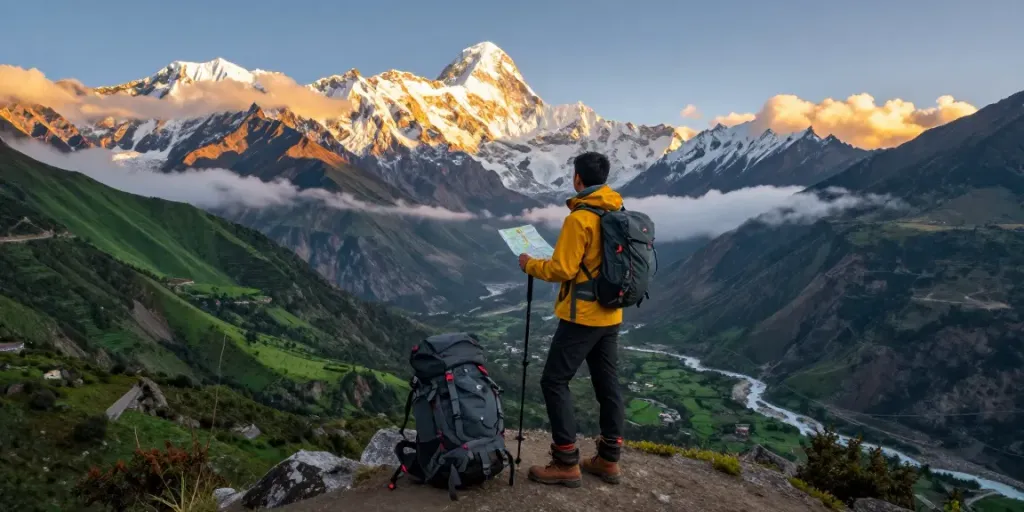
Introduction to the Manaslu Trek
The Manaslu Circuit Trek is a breathtaking journey through the heart of the Himalayas, offering an unforgettable experience of nature's grandeur combined with rich cultural encounters. Located in the Gorkha region of Nepal, this trek takes you around Mount Manaslu, the world’s eighth-highest peak, providing trekkers with stunning views, diverse landscapes, and opportunities to engage with local communities. Unlike the more commercialized trekking routes in Nepal, such as the Annapurna Circuit, the Manaslu trek remains relatively untouched, making it a perfect choice for those seeking solitude and adventure in the mountains. When exploring options, Manaslu Trek provides comprehensive insights into how this trek stands out as a must-do adventure in your trekking itinerary.
What is the Manaslu Trek?
The Manaslu trek is a popular trekking route that takes hikers on a captivating journey around Mount Manaslu. Spanning approximately 177 kilometers (110 miles), the trek typically lasts about 15 days, allowing trekkers to immerse themselves in the area's diverse ecosystems, including lush forests, alpine meadows, and high-altitude landscapes. The trek offers a balance of challenging trails and serene moments, making it ideal for those with a spirit of adventure and a passion for exploration.
Highlights and Unique Features
This trek is not just about conquering high peaks; it’s also about experiencing the unique culture and traditions of the local Tibetan and Gurung communities that inhabit the region. Along the trail, trekkers will encounter ancient monasteries, vibrant prayer flags, and inviting local villages where you can interact with the friendly locals and learn about their way of life. One of the most scenic moments occurs at the Larkya La Pass (5,160 m/16,929 ft), offering panoramic views of the surrounding peaks, including Himlung Himal and Annapurna II.
Historical and Cultural Significance
The Manaslu region is steeped in history, with its trails once serving as trade routes between Nepal and Tibet. Today, it is a UNESCO Manaslu Conservation Area, protecting not only the stunning natural beauty but also the rich cultural heritage of the communities residing here. As you trek, you will witness the strong Tibetan influences in architecture, religion, and lifestyle, enriching your understanding of this unique area.
Planning Your Manaslu Trek
Planning is crucial for a successful trek, especially in terms of timing, budgeting, and understanding the necessary permits. With careful preparation, you can maximize your experience and ensure a smooth journey.
Best Time to Trek Manaslu
The best times to embark on the Manaslu Circuit Trek are during autumn (September to November) and spring (March to May). These seasons offer stable weather conditions, clear skies, and stunning mountain views, making the trekking experience memorable. During these periods, the trails are less likely to be muddied by rain or snow, ensuring safe and enjoyable trekking conditions.
Cost Overview and Budgeting
The cost of the Manaslu trek can vary based on factors such as the time of year, trekking company, and personal preferences. On average, the trek can range from $1,500 to $2,500 per person. This price typically includes accommodations, meals, permits, and the services of guides and porters. Budgeting wisely involves considering additional expenses for snacks, drinks, and any optional activities.
Necessary Permits for the Trek
As a restricted area, the Manaslu Circuit Trek requires specific permits for trekking. You will need the Manaslu Restricted Area Permit (MRAP), the Manaslu Conservation Area Permit (MCAP), and the Annapurna Conservation Area Permit (ACAP). Trekking organizations, like Ace the Himalaya, can assist in obtaining these permits for you, ensuring everything is in order before your adventure begins.
Itinerary Breakdown for the Manaslu Trek
Understanding the day-by-day itinerary is vital for planning your trek. Each day is carefully structured to balance the physical demands of trekking with the need for acclimatization and enjoyment of the surroundings.
Day-by-Day Itinerary Highlights
The trek typically begins with your arrival at Tribhuvan International Airport in Kathmandu. Over the next 15 days, you will trek from Machha Khola through picturesque villages like Jagat, Deng, and Namrung, reaching Samagaon for acclimatization before ascending to the Larkya La Pass. The descent will take you through lush landscapes to Dharapani, where you will conclude your journey with a scenic drive back to Kathmandu.
Acclimatization and Safety Considerations
Acclimatization is a critical aspect of high-altitude trekking. The itinerary includes dedicated acclimatization days, particularly in Samagaon, allowing your body to adjust to the altitude. It's essential to stay hydrated, maintain a balanced diet, and listen to your body’s signals to prevent altitude sickness.
Cultural Experiences Along the Route
The cultural tapestry of the Manaslu region is woven with the threads of Tibetan and Nepali traditions. As you trek, stop by local monasteries, participate in traditional festivals if your schedule permits, and take the opportunity to interact with the locals. Their warmth and hospitality will enrich your journey and provide insights into their unique lifestyle.
Preparation and Packing for the Trek
Proper preparation and packing can make a significant difference in your trekking experience. Here’s what you need to know to ensure you're ready for the adventure ahead.
Essential Gear and Equipment for Manaslu Trek
Investing in quality gear is essential for comfort and safety during the trek. Here are some necessities to include in your packing list:
- Sturdy trekking boots with ankle support
- Warm, layered clothing, including thermal inner layers
- A waterproof and windproof outer layer
- Sleeping bag rated for cold temperatures
- First aid kit and personal medications
- Water purification tablets or a water filter
- Sunscreen, sunglasses, and a wide-brimmed hat for sun protection
- Backpack with a capacity of at least 30-40 liters for daily use
Health and Fitness Requirements
While no specific prior trekking experience is required, a moderate level of fitness is essential. Regular cardio and strength training will help you tackle the long daily treks. Aim to engage in activities such as hiking, running, or cycling to build endurance before your expedition.
Local Customs and Etiquette
Respecting local customs is vital for a positive trekking experience. Familiarize yourself with basic Nepali phrases, be polite, and always ask permission before taking photos of people or their property. Observing local etiquette, such as removing your shoes before entering homes and temples, is appreciated greatly by the local community.
FAQs About the Manaslu Trek
As you prepare for the Manaslu trek, you may have several questions regarding the trek's difficulty, preparation for altitude sickness, and more. Here are answers to some frequently asked questions to help ease your concerns.
What is the difficulty level of the Manaslu Trek?
The Manaslu Circuit Trek is generally considered moderately challenging, with daily treks ranging from 5 to 8 hours and crossing high-altitude passes. With the right preparation and acclimatization, most fit trekkers can complete the circuit.
How should I prepare for altitude sickness?
To help prevent altitude sickness, ensure you stay well-hydrated, consider traveling with a slow ascent plan, and be aware of the signs and symptoms. Having a rest day for acclimatization is also crucial.
Is a guide necessary for the Manaslu Trek?
Yes, trekking in the Manaslu region requires a licensed guide due to the restricted area permits needed for trekking. Guides not only help with navigation but also enhance your experience by sharing knowledge about local culture and environment.
What are the food options on the trek?
During the trek, you can expect various local Nepali and Tibetan dishes. Common meals include dal bhat (rice and lentils), momos (dumplings), noodles, and seasonal vegetables. The menu may vary based on the tea houses you stay in, but vegetarian options are typically available.
Can I extend my trip after the trek?
Yes, many trekkers choose to extend their stay in Nepal after completing the Manaslu trek. Options include exploring Kathmandu's cultural sites, visiting Pokhara, or embarking on other trekking adventures. You can discuss your preferences with your trekking company.