1. Top Tropical Destinations for Digital Nomads
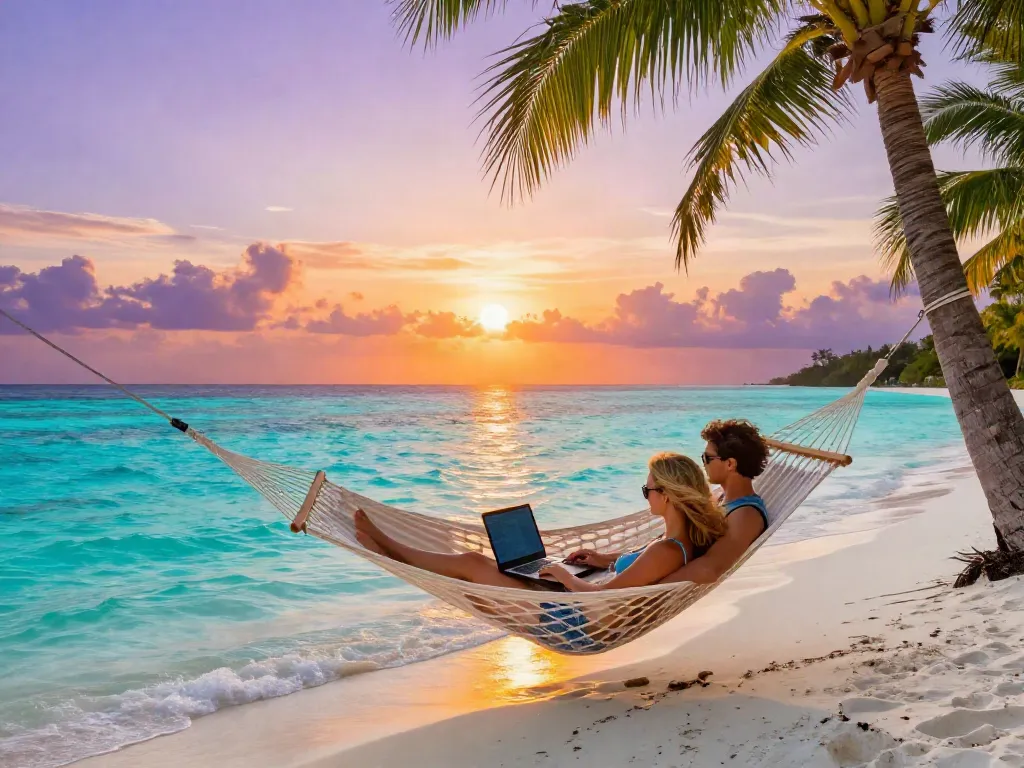
In recent years, tropical destinations have surged in popularity among digital nomads seeking the perfect blend of work and relaxation. With a growing number of locations catering specifically to remote workers, the allure of working under palm trees with ocean views is no longer just a dream. When exploring options, best places to live for remote workers are those that not only provide a fast internet connection but also a vibrant community and an enriching environment for living and working. Here are some of the standout tropical destinations that make an excellent choice for remote workers.
A. Why Thailand Stands Out
Thailand has become an iconic hotspot for digital nomads, featuring stunning beaches, a rich cultural heritage, and a cost of living that is relatively low compared to Western standards. Cities like Chiang Mai offer co-working spaces, a thriving expat community, and an array of activities that encourage a balanced lifestyle. The weather is typically warm and inviting, with the high season running from November to February, providing perfect conditions for those with flexible work schedules.
In terms of amenities for remote work, Thailand boasts numerous cafes with reliable Wi-Fi, dedicated workspaces, and excellent connectivity to major cities via domestic flights. Additionally, it’s an incredibly affordable place to live, enabling you to enjoy everything from street food to luxury accommodations without breaking the bank.
B. Exploring Remote Work Opportunities in Bali
Bali has quickly become synonymous with the digital nomad lifestyle, attracting a diverse crowd of freelancers, entrepreneurs, and creatives. Ubud, in particular, offers a serene atmosphere, surrounded by lush rice paddies, yoga studios, and wellness retreats. The island’s co-working spaces, like Hubud and Dojo Bali, provide networking opportunities and a supportive community for remote workers.
The best time to visit Bali is during the dry season from April to September. This period offers lower humidity, vast sunshine, and plenty of outdoor activities to explore, including surfing, hiking Mount Batur, or snorkeling in pristine waters. Balinese culture adds an aspect of richness to your stay, with traditional ceremonies and delicious cuisine that makes every day an adventure.
C. Hidden Gems in the Caribbean for Remote Living
While the Caribbean is often associated with high-end resorts, there are plenty of hidden gems that cater to digital nomads seeking an idyllic workspace. Islands such as Roatan in Honduras and Dominica offer stunning landscapes, a relaxed pace of life, and an emerging community of remote workers. With access to reliable internet and local co-working spaces, these islands offer a unique blend of work and play.
The best time to explore the Caribbean is during the shoulder season, particularly from mid-April to June, when the islands are less crowded, and accommodation prices tend to drop. In addition to beautiful beaches, you can enjoy hiking rainforest trails, diving with vibrant marine life, and immersing yourself in the local culture through food and festivals.
2. Must-Visit Cities for Remote Work in 2026
As more individuals embrace the remote work lifestyle, several cities are emerging as prime locations for those looking to combine work with a vibrant urban experience. Here are some top contenders for 2026 that offer exceptional amenities, culture, and affordability for remote workers.
A. Examining Tech Hubs like Lisbon and Berlin
Lisbon, Portugal, continues to captivate remote workers with its sunny climate, historic neighborhoods, and burgeoning tech scene. The city is home to numerous co-working spaces and has implemented initiatives supporting the digital nomad community. With a cost of living that remains reasonable compared to other European capitals, Lisbon is perfect for remote work.
In contrast, Berlin is renowned for its creative energy and diversity. The city's strong startup ecosystem attracts entrepreneurs and tech professionals alike, providing an ideal environment for collaboration and innovation. The winters can be cold, but the city's rich history, cultural events, and affordable housing make it worth considering.
B. Affordable Locations in Eastern Europe
Cities like Budapest, Hungary, and Tbilisi, Georgia, are emerging as hotspots for cost-conscious remote workers. Budapest's beautiful architecture and vibrant nightlife offer a unique backdrop for productivity, while Tbilisi attracts many remote workers with its affordability, welcoming residents, and developing co-working scene. Both cities boast excellent transport links and are rich in history and culture.
C. Cultural Richness in Central America
In Central America, cities such as Antigua, Guatemala, and Leon, Nicaragua, offer remote workers a perfect blend of culture and affordability. Antigua enchants with its colonial architecture and a plethora of outdoor activities, while Leon features a kick of art and history, juxtaposed with modern conveniences. Both locations provide a great sense of community among travelers and expats, making it easier to connect and network.
3. Essential Amenities for Remote Workers
No matter where you choose to settle down as a remote worker, certain amenities are crucial for maintaining productivity and ensuring a good quality of life. From reliable internet access to comfortable workspaces, here are some essential considerations.
A. Finding the Right Workspace
Co-working spaces have taken off globally, providing well-equipped environments that cater specifically to remote workers. These spaces often include high-speed internet, meeting rooms, and networking events to help you connect with others. Whether located in a major city or a quiet beach town, finding a comfortable workspace can significantly boost your productivity.
B. Internet Connectivity: A Must for Digital Nomads
No digital nomad can thrive without dependable internet access. Many cities around the world are now offering co-working spaces and cafes with free Wi-Fi. However, investigating the average internet speeds and reliability before moving is crucial. Countries like Thailand and Colombia are known for their robust infrastructure for remote working.
C. Choosing Accommodations That Inspire
When it comes to accommodations, consider options like boutique hotels, hostels, or short-term rentals that offer not just a place to sleep, but also a conducive atmosphere for work. Look for homes with scenic views or close locations to beaches or parks which can serve as excellent spots for working remotely.
4. Travel Tips for the Modern Digital Nomad
Traveling while working remotely can be challenging but rewarding. Here are some practical tips and insights gleaned from seasoned nomads on how to make the most out of your experience.
A. Packing Essentials for Remote Work Travel
Effective packing is essential for any remote worker. Prioritize lightweight tech gear, portable chargers, and a good quality backpack. Alongside your laptop and accessories, consider bringing noise-canceling headphones for when you need to focus in bustling environments. Make sure to accommodate essential clothing for work as well as leisure activities.
B. Navigating Visa Requirements for Long Stays
Each destination has its visa requirements, which can affect your ability to stay for longer durations. Researching these rules ahead of time is crucial, as different countries offer various schemes for remote workers. In recent years, several nations have implemented remote work visas aimed at attracting digital nomads.
C. Strategies for Budget Travel and Accommodation
Traveling on a budget doesn’t have to mean sacrificing quality. Utilizing platforms like Airbnb and booking.com for accommodations and flexible travel dates can lead to significant savings. Also, consider off-peak seasons for travel when flight and hotel prices drop considerably, allowing you to stretch your budget further.
5. Adventure Activities to Balance Work and Play
Maintaining a balance between work and a fulfilling lifestyle is essential for any remote worker. Here’s how you can infuse a sense of adventure into your daily routine.
A. Exploring Local Culture and Cuisine
Taking the time to immerse yourself in local culture can inspire creativity and provide a more enriching experience. Don’t shy away from attending local festivals, taking cooking classes, or exploring markets filled with indigenous crafts and foods. Engaging with the local culture can lead to new friendships and connections that enhance your travel experience.
B. Exciting Outdoor Activities: From Hiking to Diving
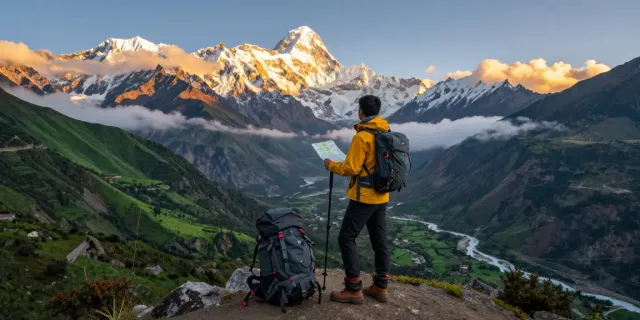
Outdoor activities are a fantastic way to unwind after a long day of work. Activities like hiking, snorkeling, or even surfing help bolster your physical health and allow you to explore your surroundings. Many tropical destinations offer breathtaking scenery and diverse ecosystems waiting to be discovered.
C. Making Meaningful Connections with Other Nomads
Networking doesn’t just happen in co-working spaces; both online and offline meetups can help you forge bonds with fellow remote workers. Engaging in activities like group hikes, language exchanges, or local events fosters a sense of belonging and can enhance both personal and professional growth. Connecting with fellow travelers ensures you have a support system while you navigate the world of remote work.