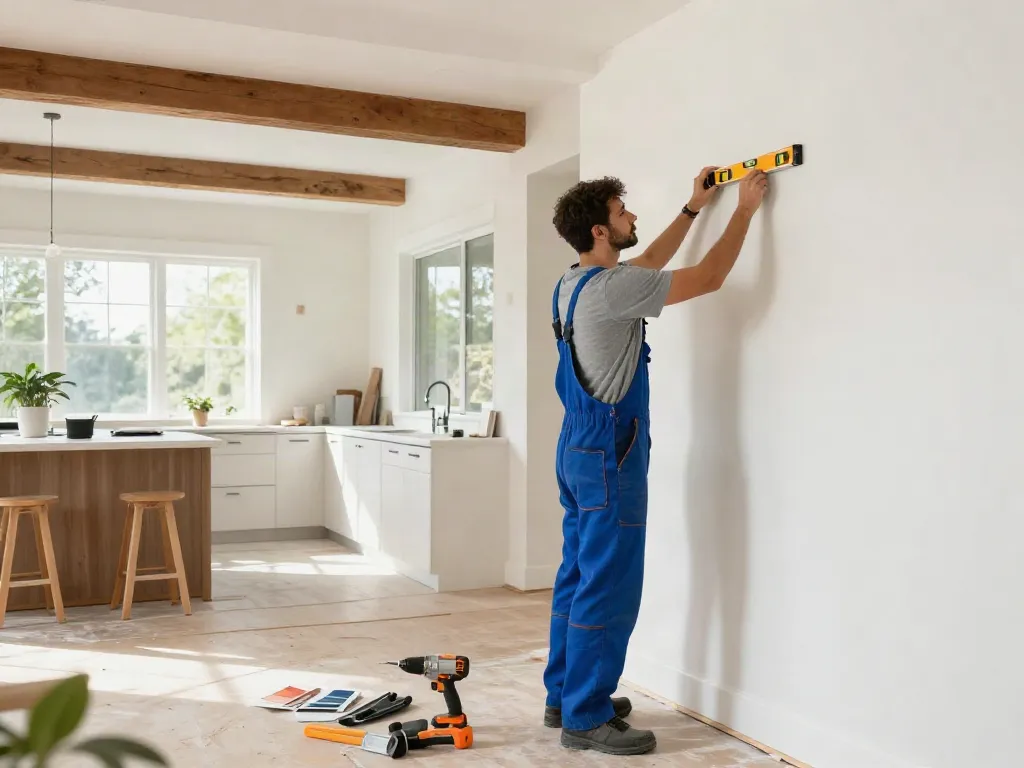
Understanding Pinecrest Remodeling: What Homeowners Need to Know
Pinecrest remodeling is more than just a trend; it’s a growing necessity for homeowners looking to enhance their living spaces, adapt to changing needs, and increase property value. With a focus on functional design and aesthetic improvement, remodeling projects can range from minor updates to extensive renovations. As homeowners in Pinecrest delve into the world of remodeling, it’s crucial to understand the key components, significance, and strategies for a successful transformation. When exploring options, Pinecrest remodeling provides comprehensive insights to guide your journey.
What is Pinecrest remodeling?
Pinecrest remodeling encapsulates a variety of home renovation projects that aim to improve the existing structures and layout of residences in the Pinecrest area. This can include comprehensive renovations of kitchens and bathrooms, expansions of living spaces, or even enhancing curb appeal through exterior updates. The objective is to make homes more functional, attractive, and aligned with the homeowner's lifestyle and preferences.
Why is remodeling important for homeowners?
Homeowners often consider remodeling essential for several reasons:
- Increased Property Value: Strategic remodeling can significantly boost a home's market value, making it a wise investment.
- Personalization: Updates provide homeowners with the opportunity to tailor their spaces to reflect their style and needs, enhancing their enjoyment of the home.
- Improved Functionality: As families grow or change, remodeling can help adapt spaces to better serve their current lifestyle needs.
- Energy Efficiency: Updating appliances, windows, and insulation can lead to reduced energy bills and a lower carbon footprint.
Key components of a successful remodel
A successful remodel is rooted in careful planning and execution. Key components include:
- Clear Goals: Identifying the primary objectives of the remodel can guide decision-making throughout the project.
- Budgeting: Establishing a realistic budget to cover all aspects of the remodel is crucial to ensure no financial uncertainties arise.
- Choosing the Right Professionals: Whether it’s contractors, designers, or architects, selecting experienced professionals can lead to a more seamless remodeling process.
- Permit Acquisition: Understanding local regulations and securing necessary permits ensures compliance and prevents delays in the project.
The Financial Aspect of Pinecrest Remodeling
Keeping finances in check is crucial when undertaking any renovation project. Understanding the financial implications of Pinecrest remodeling can significantly influence the overall success of the endeavor.
Estimating costs: What to budget for?
Budgeting accurately for a remodel involves estimating various costs, including:
- Labor Costs: This can vary widely depending on the scope of the work and the expertise of the contractors.
- Materials: Quality materials can elevate the project but come at a cost. Homeowners should research options that balance durability with price.
- Permits: Depending on the nature of the remodel, homeowners may need to factor in permit costs, which can vary by location and project type.
- Design Services: Hiring a designer can enhance the remodel’s function and aesthetics, but it also adds to the overall cost.
Return on Investment: Remodeling that pays off
Understanding the potential return on investment (ROI) for different remodeling projects is key for homeowners considering significant updates. Certain renovations, such as kitchen and bathroom remodels, often yield the highest returns upon resale. Research shows that:
- Kitchen remodels can recover approximately 80% of their costs.
- Bathroom additions can yield around 60% to 70% ROI.
- Exterior improvements, such as adding a deck, can realize significant returns as well.
Identifying financial assistance options
Homeowners seeking financial assistance for remodeling projects may consider various options:
- Home Equity Loans: Utilizing equity can provide funds for renovations at relatively low interest rates.
- Personal Loans: While they often come with higher rates, personal loans can be a quick solution for smaller remodeling projects.
- Government Grants and Programs: Homeowners should research state or federal programs aimed at assisting with home improvements, especially energy efficiency upgrades.
Trends Impacting Pinecrest Remodeling in 2026
Staying abreast of current trends can inform and inspire homeowners embarking on remodeling projects. In 2026, several key trends are shaping the remodeling landscape:
Eco-friendly materials and practices
More homeowners are prioritizing sustainability in their remodeling projects. This includes using eco-friendly materials, such as reclaimed wood, recycled metal, and low-VOC paints. Additionally, integrating energy-efficient appliances and fixtures can significantly reduce the environmental impact of home renovations.
Smart home technology integration
With the rise of smart home devices, incorporating technology into remodeling projects has become essential. Homeowners are integrating automated systems for lighting, heating, and security, enhancing both convenience and energy efficiency.
Current design trends to consider
Design trends are ever-evolving, but in 2026, some key aesthetics are taking precedence:
- Open Floor Plans: Maintaining open spaces that promote connectivity among different areas of the home.
- Natural Light: Large windows and skylights are becoming staples to create airy, light-filled interiors.
- Minimalism: A focus on simplicity and functionality, featuring clean lines and uncluttered spaces.
Common Challenges in Pinecrest Remodeling Projects
While remodeling can be exciting, it is not without its challenges. Addressing these common obstacles proactively can lead to a smoother experience.
How to navigate permits and regulations
Navigating local building codes and acquiring the necessary permits can be daunting. Homeowners should research their local regulations, consult with professionals, and ensure all permits are obtained before commencing work to avoid penalties or project delays.
Dealing with unexpected costs and delays
Unforeseen issues, such as hidden structural damage or delays in material deliveries, can derail budgets. Establishing a contingency fund of approximately 10-20% of the total budget can help mitigate financial stress and ensure the project remains on track.
Finding reliable contractors and designers
Choosing the right professionals can be a challenge. Homeowners should seek recommendations, check reviews, and conduct interviews to ensure they find trustworthy and experienced contractors and designers who align with the project’s vision.
Steps to Successful Pinecrest Remodeling
A methodical approach to remodeling can simplify the process and enhance outcomes. Here are critical steps to ensure success:
Planning your remodel: Setting goals and timelines
Before starting, homeowners should set clear objectives and define a realistic timeline for each phase of the remodel. This helps keep the project organized and on track.
Effective communication with contractors
Maintaining open communication with contractors ensures that expectations are aligned and any issues are addressed promptly. Setting regular check-ins can foster collaboration and transparency throughout the remodeling process.
Measuring success: Key performance metrics
To evaluate the success of a remodeling project, homeowners can measure factors such as satisfaction with the end result, adherence to budget, and the project’s impact on home value. Gathering feedback from family members can also provide insight into the effectiveness of the remodel in meeting the intended goals.
What is the most expensive part of a remodel?
The most expensive part of a remodel often depends on the nature of the project. However, kitchen and bathroom remodels typically incur the highest costs due to the need for specialized labor and high-quality materials.
How much does a home remodeler charge per hour?
Home remodelers may charge between $50 to $150 per hour, influenced by the complexity of the work and the experience of the contractor. It's crucial to obtain detailed quotes and understand what is included in the fee.
What are the four types of remodeling?
The main types of remodeling include:
- Interior Remodeling: Upgrades inside the home, such as kitchen and bathroom renovations.
- Exterior Remodeling: Enhancements to the home's exterior, including siding and landscaping.
- Whole House Remodeling: Comprehensive renovations that involve significant changes throughout the entire house.
- Additions: Expanding the home’s footprint by adding new rooms or spaces.
Who are the best contractors for bathroom remodels in Orange County, California?
Finding the best contractors for bathroom remodels requires researching local businesses, checking customer reviews, and looking at their completed project portfolios. Engaging with the community can also provide valuable recommendations for trustworthy professionals.