Understanding Heat Pumps & Gas Heater Replacement
As homeowners increasingly seek energy-efficient heating solutions, Heat Pumps & Gas Heater Replacement has become a focal point of discussion. This transition not only influences how we heat our homes but also how we approach environmental sustainability. In this guide, we will explore the advantages of heat pumps, the common misconceptions surrounding them, and why now might be the perfect time to consider replacing your gas heater.
What are Heat Pumps and How Do They Work?
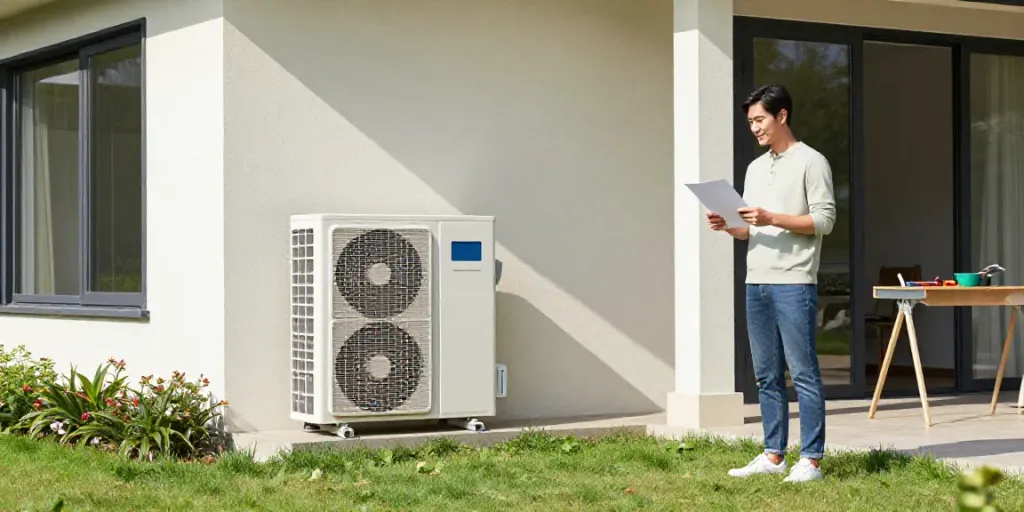
Heat pumps are versatile devices that transfer heat rather than generate it. They work on the principle of extracting thermal energy from one medium and transferring it to another. In heating mode, they absorb heat from the outside air (even in cold weather) and transfer it indoors. Conversely, in cooling mode, they remove heat from the indoor air and release it outside. This dual functionality makes heat pumps an efficient year-round solution for heating and cooling.
Benefits of Replacing Gas Heaters with Heat Pumps
- Energy Efficiency: Heat pumps can be two to four times more efficient than traditional gas heaters, resulting in lower energy bills.
- Environmental Impact: By using renewable energy sources and electricity, heat pumps reduce carbon emissions significantly.
- Longevity and Maintenance: Heat pumps usually have a longer lifespan compared to gas heaters and require less maintenance.
- Improved Comfort: With advanced features like variable speed fans, heat pumps provide consistent and comfortable indoor temperatures.
Common Misconceptions About Heat Pump Systems
Despite their growing popularity, several myths persist about heat pumps. One common misconception is that they are ineffective in cold climates. However, modern heat pumps are designed to perform efficiently even in sub-zero temperatures. Another myth is that heat pumps are too expensive to install. While the upfront costs can be higher, the long-term savings on energy bills can make them a more economical choice overall.
Choosing the Right Heat Pump for Your Home
Selecting the best heat pump for your home involves careful consideration of various factors to ensure optimal performance and efficiency. Understanding your unique heating and cooling needs will help guide your selection process.
Factors to Consider When Selecting a Heat Pump
- Type of Heat Pump: There are several types of heat pumps, including air-source, ground-source (geothermal), and ductless mini-split systems. Each type has its benefits and considerations based on your home’s layout and your climate.
- Energy Efficiency Ratio (EER): Look for models with a high EER rating for better energy efficiency and lower operational costs.
- Cost of Operation: Research the average energy costs in your area to understand how different models will impact your monthly bills.
- Installation Requirements: Some heat pumps may require extensive modifications to your home’s infrastructure, impacting installation costs.
Sizing Your Heat Pump for Optimal Efficiency
Proper sizing is crucial for heat pump efficiency. An undersized unit will struggle to maintain comfort, while an oversized unit may cycle on and off too frequently, wasting energy. Conduct a heat load calculation, ideally by a professional, to determine the correct size for your specific space.
Comparing Different Brands and Models
When researching brands, consider their reputation, warranty offerings, and customer reviews. Established brands often provide reliable systems with good support. Compare models not only on energy efficiency but also features such as noise levels, ease of use, and smart technology compatibility.
Installation Process for Heat Pumps
The installation of a heat pump can be a complex process that often requires professional expertise. Proper installation is critical for maximizing the efficiency and longevity of your system.
Step-by-Step Guide to Installing Your New Heat Pump
- Assessment: A professional will assess your home’s heating and cooling needs.
- Choosing the Location: Proper placement of the indoor and outdoor units is essential for optimal performance.
- Preparation: The installation area must be prepared, which may involve removing existing heating systems and making necessary modifications.
- Installation: Professionals will connect the heat pump to your home’s electrical system, ensuring all components are installed according to manufacturer guidelines.
- Testing: After installation, the system will be tested to ensure it operates efficiently.
Hiring Professional Installers vs. DIY Installation
While some homeowners may attempt a DIY installation, hiring a licensed professional is advisable to ensure safety and compliance with local building codes. Professionals bring expertise and can often identify potential issues that a DIYer might overlook.
Costs Involved in Heat Pump Installation
Installation costs can vary widely based on several factors, including the type of heat pump, installation complexity, and your geographical location. On average, homeowners can expect to pay between $3,000 and $8,000 for the complete installation of a heat pump system. It’s important to request multiple quotes from contractors and inquire about any available rebates or financing options.
Maintenance Tips for Heat Pumps
Regular maintenance is essential for ensuring your heat pump operates efficiently throughout its lifespan. This not only helps avoid costly repairs but also enhances indoor comfort.
Regular Maintenance Practices for Longevity
- Clean or Replace Filters: Regularly check and replace filters to maintain airflow and efficiency.
- Inspect Ductwork: Ensure that ductwork is sealed properly and free of obstructions to maximize airflow.
- Yearly Professional Maintenance: Schedule annual inspections with a qualified technician to check refrigerant levels, electrical connections, and overall system performance.
Identifying Common Issues and Symptoms
Be vigilant about signs that your heat pump may require professional attention. These symptoms can include unusual noises, frequent cycling, or fluctuating indoor temperatures. Addressing these issues promptly can prevent further damage and costly repairs.
When to Call a Professional for Repairs
If you notice any significant performance issues or if your heat pump is not functioning as expected, it’s best to consult with a professional. Attempting to troubleshoot complex issues without expertise can lead to further damage or safety hazards.
Future Trends in Home Heating Solutions
As technology advances, the heating and cooling industry continues to evolve, promising exciting innovations in heat pump technology. Adapting to these changes can enhance efficiency and comfort in homes.
Emerging Technologies in Heat Pumps for 2026
Look out for advancements in inverter technology, which allows heat pumps to adjust their output more precisely based on current demand. Additionally, integration with smart home systems will become more prevalent, allowing homeowners to monitor and control their heating systems remotely.
Energy Efficiency Regulations and Their Impact
As governments worldwide emphasize the importance of energy efficiency, regulations around heating appliances are tightening. New models will likely meet more stringent standards, making it essential for homeowners to stay informed about compliance requirements when selecting a heat pump.
Predictions for the Future of Gas Heaters and Alternatives
The future of gas heaters appears uncertain as the trend shifts toward renewable energy solutions. While still a reliable option today, gas heating systems may face increased scrutiny and regulation, prompting homeowners to consider more sustainable alternatives like heat pumps.
Is it Worth the Investment? Economic Analysis
Investing in a heat pump can yield significant long-term savings. For more information, Spa Filter & Chemical Sydney offers valuable insights. Although the initial cost is higher than that of gas heaters, the efficiency and lower operating costs can translate to substantial savings over time. Homeowners should conduct a comprehensive cost-benefit analysis based on their unique circumstances and energy goals.