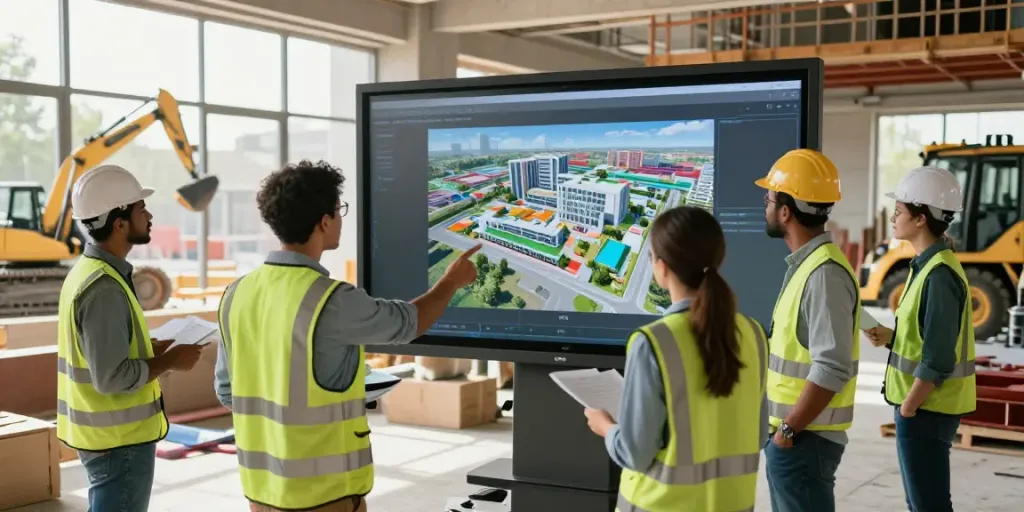
Understanding BIM Services
Building Information Modeling (BIM) is revolutionizing the architecture, engineering, and construction (AEC) industries by improving the way projects are designed, built, and managed. As stakeholders increasingly recognize its potential for enhancing efficiency and collaboration, it becomes essential to understand what BIM services entail and how they can be effectively leveraged in modern construction projects.
What Are BIM Services?
BIM services encompass a wide range of solutions aimed at optimizing project delivery throughout the lifecycle of a structure. They include 3D modeling, clash detection, project management, and enhanced collaboration among stakeholders. By providing a digital representation of physical and functional characteristics, BIM supports better decision-making, coordination, and communication among architects, engineers, contractors, and clients.
The Evolution of BIM in Architecture
Since its inception, BIM has evolved from basic 3D modeling to an advanced integrated platform that facilitates real-time collaboration among project teams. Originally, architects and engineers relied heavily on 2D drawings, which often led to discrepancies during construction. With the advent of BIM, the focus shifted to data-driven models that improve accuracy and reduce errors, ensuring that all stakeholders are on the same page.
Key Technologies Behind BIM Services
At the core of BIM services are several key technologies, including:
- 3D Modeling Software: Tools like Revit and ArchiCAD allow stakeholders to create detailed digital representations of buildings.
- Clash Detection Tools: Software such as Navisworks helps identify potential conflicts in designs before construction begins.
- Cloud Collaboration Platforms: Solutions like BIM 360 enable real-time updates and information sharing among teams.
Advantages of Utilizing BIM Services
The adoption of BIM services brings numerous advantages that can transform project delivery and outcomes.
Enhanced Project Visualization and Collaboration
BIM provides stakeholders with an immersive 3D visualization of projects, which helps in understanding complex designs and spatial relationships. This enhanced visualization fosters collaboration among architects, engineers, and clients, making it easier to identify issues early in the design phase.
Improved Accuracy and Efficiency in Design
One of the primary benefits of BIM is the increased accuracy in design and documentation. The parametric nature of BIM allows for automatic updates across all associated drawings and models. As changes occur, the entire project updates in real-time, reducing the likelihood of errors that can lead to costly rework.
Cost Savings and Resource Management
BIM services can result in significant cost savings by streamlining processes, reducing waste, and optimizing resource management. Early detection of design conflicts minimizes delays and budget overruns, while effective planning allows for better allocation of materials and manpower throughout the project lifecycle.
Common Challenges When Adopting BIM Services
Despite its many advantages, organizations can face several challenges when implementing BIM services.
Resistance to Change in Traditional Practices
Many firms have established workflows, and transitioning to BIM requires a cultural shift that can be met with resistance from team members accustomed to traditional methods. Overcoming this resistance is crucial for successful adoption.
Training and Skill Development Needs
To fully leverage BIM capabilities, staff must be adequately trained in the new technologies and processes. Investing in ongoing training and skill development is essential to bridge the gap between traditional practices and BIM-driven workflows.
Integrating BIM with Existing Workflows
Integrating BIM into existing workflows can be complex. It requires careful planning and strategic alignment across departments to ensure that the benefits of BIM are realized without disrupting ongoing operations.
Best Practices for Implementing BIM Services
Successful BIM implementation hinges on following best practices that ensure a smooth transition and maximize benefits.
Creating a BIM Execution Plan
A BIM Execution Plan (BEP) outlines the project goals, processes, and responsibilities for all stakeholders. Developing a comprehensive BEP at the outset ensures clarity and alignment among all parties involved, facilitating smoother collaboration and communication.
Choosing the Right Software and Tools
Selecting appropriate software and tools that align with the project’s needs is vital for successful BIM implementation. Factors to consider include compatibility with existing workflows, user interface, and the specific features that will support the project's requirements.
Engaging Stakeholders Early in the Process
Involving all stakeholders in the BIM process from the beginning is crucial for success. Early engagement helps ensure that everyone's input is considered, fostering a sense of ownership and commitment to the project's success.
Future Trends in BIM Services for 2026 and Beyond
As technology advances, BIM services are set to become even more sophisticated and integrated into construction practices.
Integration with AI and Machine Learning
The integration of AI and machine learning into BIM is expected to enhance predictive analytics, automation, and project management capabilities. These technologies will enable teams to anticipate issues before they arise and streamline decision-making processes significant.
Sustainable Practices in BIM
With a growing emphasis on sustainability, BIM services are increasingly being aligned with green building practices. This includes energy analysis tools and lifecycle assessments that help projects minimize their environmental impact.
Remote Collaboration and Virtual Reality Enhancements
The COVID-19 pandemic has accelerated the need for remote collaboration tools in the AEC industry. BIM services are expected to expand their capabilities to include virtual reality environments where stakeholders can meet and interact with project models remotely, enhancing collaborative efforts regardless of physical location.
What are BIM services?
BIM services facilitate a comprehensive approach to construction management, streamlining various aspects of the project lifecycle. By integrating advanced modeling techniques, BIM enhances collaboration, improves accuracy, and ultimately drives successful project outcomes.
What is the most used BIM software?
Currently, Autodesk Revit is considered the most widely used BIM software due to its robust features that cater to various disciplines within the AEC industry, including architecture, structural engineering, and MEP (mechanical, electrical, plumbing) design.
How much does a BIM cost?
The cost of BIM services can vary significantly depending on the project's complexity, the tools used, and the level of detail required. Generally, firms can expect to budget for software licenses, training, and consultation services, with total costs reflecting the scale of the project and the specific needs of the stakeholders involved.