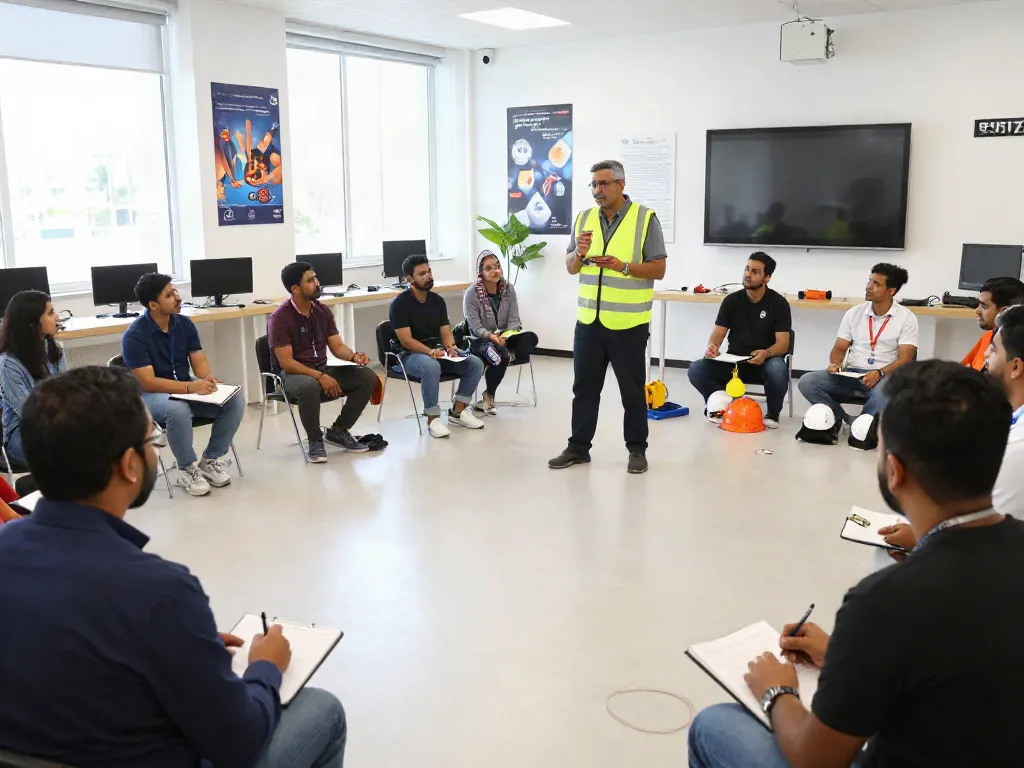
Understanding the Role of a Training Institute in Saudi Arabia
As the Kingdom of Saudi Arabia progresses towards a more diversified economy, the importance of skilled labor in various sectors has never been greater. Training institutes play a crucial role in equipping individuals with the necessary skills to meet the demands of the job market. These institutions provide a vital bridge between academic knowledge and practical workplace application, particularly in the fields of health, safety, and environmental management (HSE). When exploring options, Training Institute Saudi Arabia offers comprehensive insights into the available programs and certifications that can enhance your career prospects and ensure compliance with industry regulations.
What Makes a Training Institute Essential in Today's Job Market?
In today’s rapidly evolving job landscape, the necessity for continuous professional development is paramount. Training institutes serve as a cornerstone for individuals seeking to upgrade their skills or pivot into new career fields. Particularly in sectors such as oil and gas, construction, and manufacturing, the demand for specialized training is critical to ensure safety, compliance, and operational efficiency. These institutes not only provide essential knowledge but also foster a culture of safety and awareness that is indispensable in high-risk environments.
Key Objectives of HSE Training in Saudi Arabia
The key objectives of HSE training in Saudi Arabia include:
- Enhancing safety awareness among employees.
- Ensuring compliance with local and international regulations.
- Reducing workplace accidents and incidents.
- Fostering a proactive safety culture within organizations.
- Equipping professionals with the necessary skills and knowledge to manage health and safety effectively.
Through comprehensive training programs, individuals can develop the competencies required to identify hazards, assess risks, and implement effective control measures, thereby significantly contributing to workplace safety.
How Training Institutes Ensure Compliance with Local Regulations
Training institutes in Saudi Arabia are designed to adhere to local regulatory frameworks, such as those set out by the Saudi Arabian government and international organizations. By aligning their curriculums with these regulations, they ensure that participants are not only prepared for their roles but are also aware of the legal implications of workplace safety. Moreover, many institutes offer certifications that are recognized by industry leaders, enhancing the credibility and employability of their graduates.
Types of HSE Courses Offered in Saudi Arabia
Training institutes across Saudi Arabia provide a wide range of HSE courses tailored to meet the diverse needs of various industries. These courses are designed to address the unique safety challenges and regulatory requirements encountered in different sectors.
Overview of NFPA Certifications and Their Importance
The National Fire Protection Association (NFPA) certifications are among the most respected credentials in fire safety and prevention. These certifications equip professionals with the necessary skills to mitigate fire risks, manage fire hazards, and implement effective fire safety programs in workplaces. NFPA programs cover various aspects of fire prevention, from understanding fire dynamics to developing emergency response plans, making them critical for industries where fire safety is a significant concern.
Comparative Analysis of ProQual Diplomas
ProQual diplomas are highly regarded in the HSE training landscape. The following diplomas are particularly noteworthy:
- Level 6 Diploma in Occupational Health and Safety Practice: This qualification focuses on core health and safety management principles.
- Level 7 Diploma in Strategic Health and Safety Leadership and Management: This advanced diploma prepares professionals for leadership roles in health and safety.
- Level 6 Diploma in Sustainability and Environmental Management: This course addresses sustainable practices within organizations.
- Level 7 Diploma in Environmental Management: This diploma focuses on environmental policy and management strategies.
These diplomas not only enhance an individual's knowledge but also provide the credentials necessary for career advancement, particularly in leadership roles.
Emerging Trends in Health and Safety Training Courses
As industries evolve, so do the training methodologies. Emerging trends in health and safety training include:
- Blended Learning: Combining online and in-person training to enhance accessibility and engagement.
- Virtual Reality (VR) Training: Utilizing VR technologies to simulate real-life scenarios for more immersive learning experiences.
- Microlearning: Offering bite-sized modules that allow workers to learn at their own pace while minimizing disruption to their work.
These trends not only make training more engaging but also improve retention and application of knowledge in real-world situations.
Benefits of Choosing the Right Training Institute
Selecting the right training institute has profound implications for both individuals and organizations. The benefits of choosing wisely are substantial.
Career Advancement Opportunities through Certification
Certifications from recognized training institutes can significantly enhance career prospects. Many employers prioritize candidates with relevant certifications, especially in safety-critical roles. Having certifications can lead to promotions, higher salaries, and increased job satisfaction. By committing to ongoing education, professionals align themselves with industry advancements, making them more competitive in the job market.
Customized Training Programs for Businesses
One of the standout features of reputable training institutes is their ability to offer customized training programs. Tailored courses can address specific organizational needs, ensuring that employees gain applicable skills directly relevant to their roles. This customization not only engages the workforce but also maximizes the return on investment for employers.
Cost-Effective Group Training Solutions
Group training solutions offered by training institutes can be cost-effective for organizations. Training large numbers of employees together can reduce per-person training costs while fostering teamwork and collaboration. Many institutes provide on-site training options, allowing companies to train their staff in their own environment, further enhancing the learning experience.
Challenges in the Health and Safety Training Landscape
Despite the array of benefits, several challenges exist in the health and safety training landscape in Saudi Arabia.
Common Misconceptions About HSE Training in Saudi Arabia
Many professionals harbor misconceptions about HSE training, such as the belief that training is only necessary for entry-level positions. In reality, ongoing training is essential across all levels of an organization. Ensuring that everyone from management to operational staff is trained creates a consistent safety culture and reduces the likelihood of accidents.
Barriers to Accessing Quality Training Services
Accessing quality training services can be hindered by various factors, including:
- High costs of certification programs.
- Lack of awareness about available options.
- Geographical constraints, particularly in remote areas.
Addressing these barriers requires a collaborative effort from training institutes, employers, and policymakers to ensure that quality training is accessible to all employees.
How to Overcome Challenges in Workplace Safety Training
Organizations can take proactive measures to overcome challenges in safety training by:
- Investing in comprehensive training budgets.
- Partnering with reputable training institutes.
- Promoting a culture of safety that values continuous learning.
By creating an environment that supports ongoing education and training, organizations can significantly enhance workplace safety and compliance.
The Future of HSE Training in Saudi Arabia
As we look to the future, the landscape of HSE training is expected to evolve dramatically.
Predictions for Training Industry Developments by 2026
By 2026, several key developments are anticipated in the training industry in Saudi Arabia, including:
- Increased integration of technology in training delivery.
- Greater emphasis on mental health and well-being in the workplace.
- Expansion of online learning platforms to enhance flexibility.
These developments will not only broaden access to training but also ensure that training remains relevant in a rapidly changing job market.
Technological Innovations in Training Delivery
The advent of technologies such as artificial intelligence (AI) and machine learning is set to revolutionize the training landscape. These technologies will enable personalized learning experiences tailored to individual learning styles and progress, creating more effective training outcomes.
Strategies for Staying Ahead in Health and Safety Training
To remain at the forefront of health and safety training, organizations should adopt strategies such as:
- Regularly updating training content to reflect industry changes.
- Incorporating participant feedback to improve training programs.
- Investing in professional development for trainers to keep their skills current.
By implementing these strategies, organizations can ensure their training programs are effective, engaging, and aligned with best practices.
What is ISO certification in Saudi Arabia?
ISO certification in Saudi Arabia refers to the process of validating that an organization conforms to the international standards set by the International Organization for Standardization (ISO). These standards cover various aspects of operations, including quality management (ISO 9001), environmental management (ISO 14001), and occupational health and safety (ISO 45001). Achieving ISO certification not only demonstrates a commitment to quality and safety but can also improve operational efficiency and enhance marketability.
How much is the Nebosh course in Saudi Arabia?
The cost of the NEBOSH (National Examination Board in Occupational Safety and Health) course in Saudi Arabia can vary depending on the level of the qualification and the training provider. Typically, the NEBOSH International General Certificate ranges from SAR 6,000 to SAR 9,000, which includes training materials and examination fees. Organizations often consider this investment worthwhile given the potential for reduced workplace accidents and improved safety standards.
Which course is best for a job in Saudi Arabia?
The best course for securing a job in Saudi Arabia largely depends on the industry an individual wishes to enter. However, qualifications in HSE management, ISO certifications, and specialized training such as NEBOSH or fire safety certifications are highly regarded across various sectors, making them valuable assets for job seekers.
Training institute Saudi Arabia careers?
Careers in training institutes in Saudi Arabia can be both fulfilling and lucrative. Roles typically include trainers, course developers, and administrative staff. With the growing demand for skilled trainers, particularly in HSE and compliance sectors, professionals in this field can expect competitive salaries and opportunities for career advancement. Additionally, many institutes offer benefits such as continuous training, making these positions attractive for those passionate about education and safety.
Training institute Saudi Arabia reviews?
When choosing a training institute in Saudi Arabia, researching reviews and testimonials can provide valuable insights into the quality of education offered. Prospective students should look for feedback regarding the expertise of trainers, the relevance of course content, and the overall learning environment. Engaging with former students can also provide a more nuanced perspective on the advantages and disadvantages of specific programs.