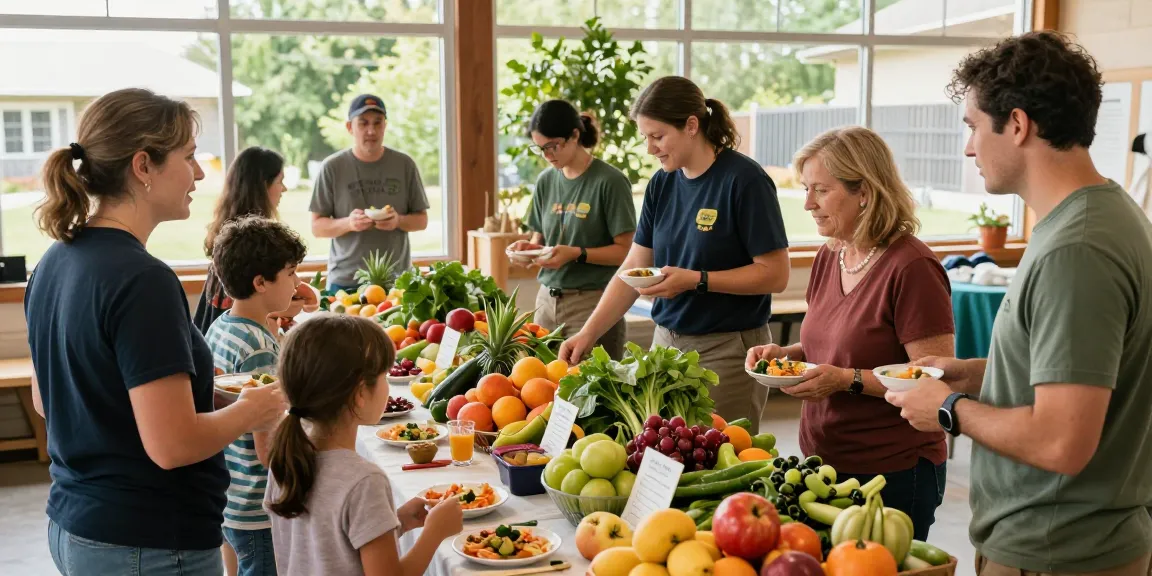
The Importance of Local Food Cooperatives
As communities shift towards sustainable practices, local food cooperatives are becoming increasingly vital. These cooperatives not only bolster community engagement but also serve as a direct response to the growing demand for accessible, nutritious food. In Sonoma Valley, initiatives like those at the Sonoma Springs Community Hall provide a model for how local cooperatives can effectively address food distribution challenges while promoting the benefits of community-supported agricultural systems. For more insights and updates on these initiatives, visit springshall.org.
Understanding Food Distribution Challenges
The complexities of food distribution in rural areas are multifaceted. Access to fresh, local produce is often hindered by economic barriers and logistical inefficiencies. Many residents lack personal transportation or live in food deserts where grocery stores are few and far between. Local food cooperatives seek to bridge this gap by establishing direct partnerships with local farms and food producers, ensuring that fresh food reaches those who need it most.
Benefits of Community-Based Food Systems
One of the standout advantages of community-based food systems is their ability to create a more resilient food network. When residents support local farms, they not only invest in their economy but also foster a sense of community. Furthermore, by prioritizing local produce, food cooperatives can reduce transportation emissions, thereby contributing to environmental sustainability.
How Local Farms Support Food Cooperatives
Local farms play an integral role in the success of food cooperatives. By sourcing directly from these producers, cooperatives can offer fresher options to their members while ensuring that farmers receive fair compensation for their goods. Initiatives like the Farmer’s Friend program at Sonoma Springs Hall exemplify this connection, as they facilitate the distribution of surplus produce from farms to community members in need.
Successful Programs at Sonoma Springs Hall
Case Study: The Farmer’s Friend Initiative
The Farmer’s Friend initiative highlights how food cooperatives can thrive in a community setting. Launched amidst a crisis, this program has effectively connected local farms with those experiencing food insecurity. With over 4000 pounds of produce gleaned and distributed, it stands as a testament to the power of collaboration between farmers and community organizations.
Partnering with Sonoma Overnight Support
In addition to its focus on local agriculture, Sonoma Springs Hall has partnered with Sonoma Overnight Support (SOS) to serve hot meals to individuals facing homelessness. This program not only addresses immediate food needs but also reinforces the Hall's commitment to community service during challenging times.
Engaging Volunteers in Food Distribution Efforts
Community involvement is central to the success of food distribution programs. Volunteers are the backbone of initiatives like Food For All / Comida Para Todos, where they assist in collecting, sorting, and distributing food to neighbors in need. Their efforts not only sustain these programs but also strengthen community bonds.
Building a Sustainable Community Food Network
Creating Partnerships with Local Businesses
In order to build a sustainable food network, it’s essential to forge strong partnerships with local businesses. By collaborating with grocery stores, restaurants, and food banks, cooperatives can expand their reach and enhance their offerings. These partnerships can lead to sponsorship of community events or food drives, spreading awareness and encouraging more residents to participate.
Educating the Community on Food Access
Education plays a crucial role in the success of food cooperatives. Workshops that teach residents about the benefits of healthy eating and how to prepare meals with local ingredients can empower them to make informed choices. By distributing information on food access programs and resources, cooperatives can further assist community members in overcoming barriers to food security.
Strategies for Expanding Cooperative Membership
To thrive, food cooperatives must continuously seek to expand their membership. This can be achieved through outreach efforts, community events, and social media campaigns designed to highlight the benefits of joining a cooperative. Providing incentives, such as discounts or loyalty programs, can also encourage more individuals to become members.
Measuring Impact and Success
Defining Key Performance Indicators
Effective measurement of a food cooperative's impact involves establishing key performance indicators (KPIs). These may include the number of families served, the amount of food distributed, and the increase in local farm participation. Regular assessment of these metrics allows cooperatives to fine-tune their operations and better serve community needs.
Collecting Feedback from Community Participants
Engaging with community members to gather feedback is essential for continuous improvement. Surveys, focus groups, and informal discussions can provide valuable insights into how food cooperatives can better meet the needs of their members. This two-way communication fosters trust and ensures that programs remain relevant and effective.
Adapting Programs for Future Needs
As community needs evolve, so must food cooperative programs. Being flexible and responsive to changes such as economic shifts, demographic changes, or emerging health trends can significantly enhance a cooperative's ability to serve its members. Regular reassessment of goals and approaches will keep these initiatives aligned with community priorities.
Future Trends in Food Cooperatives by 2026
Leveraging Technology for Food Distribution
By 2026, technology will play a crucial role in enhancing food distribution efficiency within cooperatives. Innovations such as food tracking systems and online ordering platforms can streamline operations and improve accessibility for members. Utilizing technology to facilitate communication between farms and cooperatives can also ensure that supply meets demand.
Emerging Trends in Sustainable Practices
The landscape of food cooperatives will increasingly lean towards sustainable practices. These may include zero-waste initiatives, regenerative agriculture, and environmentally friendly packaging solutions. By incorporating sustainable practices, cooperatives can attract more members and build a reputation as leaders in the movement towards greener food systems.
Expanding Accessibility to Local Produce
Enhancing accessibility to local produce remains a priority for food cooperatives. By expanding distribution points and offering delivery options, cooperatives can ensure that more residents can access fresh food. Collaborations with mobile markets and community-supported agriculture (CSA) programs can further break down barriers to access.
How will Food Cooperatives Adapt to Market Changes?
The ability to adapt to market changes is critical for the sustainability of food cooperatives. By staying informed about consumer preferences and market trends, cooperatives can pivot their offerings accordingly. This might involve diversifying product ranges, adjusting pricing strategies, or responding to the increasing demand for organic and ethically sourced produce.