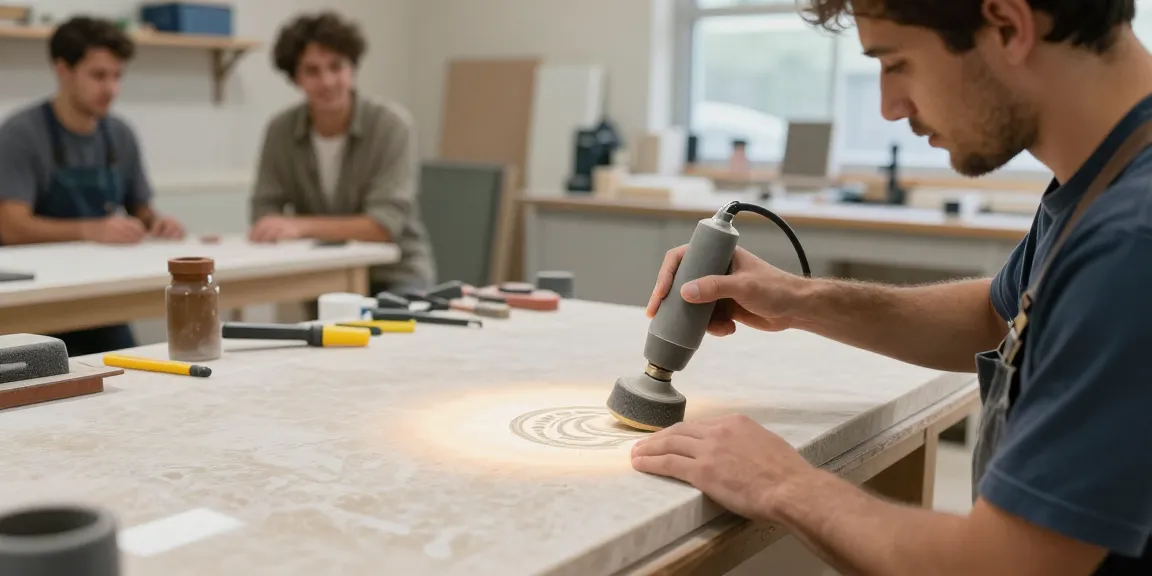
Understanding Sandblast Stencil Rubber
In the world of sandblasting, choosing the right materials is crucial for achieving high-quality results. Among these materials, sandblast stencil rubber stands out as a vital component that can significantly impact your project’s success. Whether you are working on monuments, signage, or industrial applications, having the best materials can make a difference. High-quality stencil rubber enhances precision and preserves your design's integrity during the sandblasting process. When exploring options, sandblast stencil rubber from reputable manufacturers can give you the confidence to execute your design flawlessly.
What is Sandblast Stencil Rubber?
Sandblast stencil rubber is a durable, flexible material primarily used to mask areas for sandblasting. It allows artists and manufacturers to create intricate designs on various surfaces without damaging the underlying material. The rubber is designed to withstand the pressures of sandblasting while ensuring that the cutlines remain visible for accurate application. Typically, stencil rubber features two liners — a clear polyester exterior and a colored inner layer, which helps to hold the centers securely in place during the design transfer process.
Applications of Sandblast Stencil Rubber
Sandblast stencil rubber is versatile, making it applicable in various fields. Here are some common applications:
- Monuments: Creating detailed designs on gravestones and memorials.
- Signage: Used for crafting custom signs in shops and public spaces.
- Aerospace and Defense: Engraving critical information on components due to its durability and precision.
- Industrial Manufacturing: Marking parts for identification or branding purposes.
- Oil & Gas: Marking and identifying critical equipment safely.
Benefits of Using Quality Stencil Rubber
Investing in high-quality sandblast stencil rubber offers numerous benefits:
- Precision: High-quality rubber ensures that your designs are sharp and clean, reducing the need for rework.
- Durability: Quality materials withstand the rigors of sandblasting, maintaining their integrity throughout the process.
- Ease of Use: Good stencil rubber adheres well to surfaces and is easy to cut, allowing for faster project completion.
- Temperature Resistance: It remains stable under various temperature conditions, ensuring consistent performance.
Choosing the Right Local Provider for Sandblast Stencil Rubber
Selecting a local provider of sandblast stencil rubber is pivotal for your project's success. A reliable supplier understands the local market's needs and is likely to offer personalized service and advice based on their experience. Assessing key qualities of each provider can lead you to make an informed choice.
Key Qualities of Reliable Providers
When searching for a trustworthy local stencil rubber provider, consider these qualities:
- Experience: Look for companies with a solid history in the industry.
- Reputation: Seek customer reviews or testimonials that provide insights into the provider’s reliability.
- Variety: A good provider should offer a range of products suited for various applications.
- Support: Ensure they provide customer support for troubleshooting and product inquiries.
Questions to Ask Before Hiring a Provider
Before making a final decision, ask potential providers essential questions:
- What is the expected delivery time for your products?
- Do you offer samples or a trial product before placing a larger order?
- What warranty or guarantee do you provide with your products?
- Can you provide references or case studies of past clients?
Comparing Local Options: What to Look For
When evaluating different providers, consider their pricing, product availability, and customer service quality. Additionally, ensure they have the necessary licensing and insurance to operate within your local area, which is critical for protecting both parties during the transaction.
Pricing and Cost Breakdown for Sandblast Projects
The cost of sandblasting projects can vary significantly based on factors such as the complexity of the designs, the materials used, and the local market conditions. Understanding these pricing factors helps you budget appropriately for your project.
Understanding Pricing Factors for Stencils
Several factors influence the cost of stencil rubber, including:
- Material Quality: Higher quality materials come with a price but offer better performance.
- Design Complexity: Intricate designs requiring specialized techniques may incur additional costs.
- Order Volume: Bulk purchases often provide savings over smaller, one-time orders.
Average Costs in Your Local Area
In 2026, average costs for sandblast stencil rubber can range between $0.50 to $3.00 per square foot, depending on quality and sourcing. Always compare options to find the most cost-efficient solution available locally.
Pricing Comparisons: DIY vs Professional Services
While DIY projects can be cost-effective, hiring professionals can save time and ensure a polished finish. Compare the costs of hiring a service versus doing it yourself, considering the trade-offs such as time, expertise, and quality.
Licensing and Insurance Requirements for Sandblasting Services
Understanding the regulatory landscape around sandblasting services is critical for ensuring compliance and safety. When working with local service providers, inspect the business’s licensing and insurance requirements to avoid potential liabilities.
Why Licensing Matters in Local Business
Licenses often guarantee that a provider meets industry standards for safety and quality. Always mandate that your provider presents valid credentials to safeguard your project and investment.
Insurance Coverage for Contractors: What to Expect
A reputable sandblasting contractor should have comprehensive liability insurance and possibly worker's compensation insurance. This coverage protects against unforeseen incidents during the sandblasting process.
How to Verify Credentials of Local Providers
Contact your local business bureau or search online for licensing information. Ask for proof of insurance, and don’t hesitate to check for reviews from previous customers to gauge reliability and service quality.
Customer Reviews and Testimonials: The Importance of Feedback
Customer reviews are a powerful tool in assessing the effectiveness of a sandblasting service provider. They offer insights into the experiences of past clients, highlighting both strengths and weaknesses.
Where to Find Honest Customer Reviews
Look for reviews on platforms like Google, Yelp, or industry-specific forums. Ask your potential provider for references to see how they've performed on past projects.
Understanding Ratings and Feedback for Providers
When analyzing customer feedback, pay attention to both the quantity and quality of reviews. Consistent high ratings are often a good sign, but also consider negative feedback to assess potential red flags.
Tips for Leaving Constructive Feedback
When leaving feedback, focus on specific details about your experience. Share what aspects worked well and where there could have been improvements, helping future customers make better-informed decisions.
FAQs
What surfaces are best for sandblast stencil rubber?
Sandblast stencil rubber works best on smooth and polished surfaces like granite, glass, and metals. Its adhesion properties ensure that it stays in place, allowing for precise designs.
How do I maintain my sandblast stencils?
To prolong the life of your stencils, clean them immediately after use to remove dust and debris. Store them flat in a temperature-controlled environment, avoiding direct sunlight which can degrade the material.
Are there seasonal considerations for using sandblast materials?
While sandblasting can be performed year-round, outdoor projects may be influenced by weather conditions. Extreme temperatures or humidity can affect adhesion and material properties, making metal supplies and storage conditions important considerations.