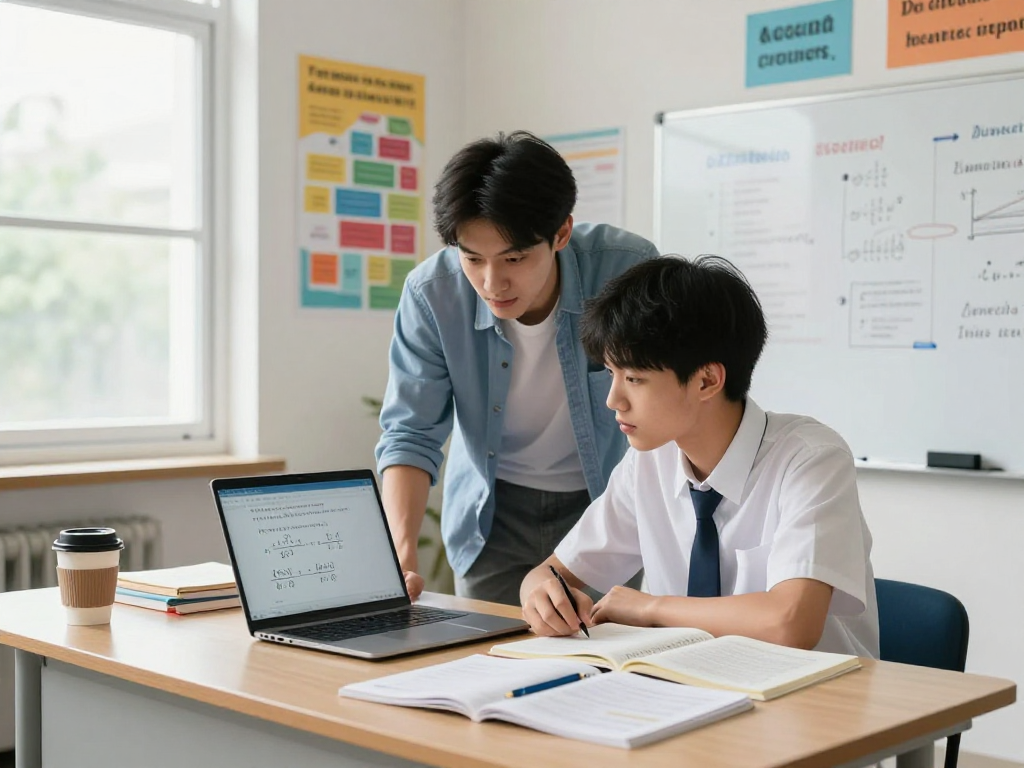
Understanding the Role of Best Tutors in Education
Tutoring plays a significant role in enhancing educational outcomes for students across various academic levels. The best tutors not only provide subject expertise but also cater to each student's unique learning style, making education more accessible and engaging. In a rapidly evolving educational landscape, the role of tutors has become more pronounced, helping students navigate challenges and achieve their academic goals.
What Qualities Define the Best Tutors?
The best tutors possess a unique combination of skills and attributes that enable them to connect with students effectively. Some essential qualities include:
- Expertise in Subject Matter: A deep understanding of the subject being taught is vital. This helps tutors answer questions accurately and explain complex concepts in simpler terms.
- Patience: Not all students grasp material at the same pace. Effective tutors exhibit patience, giving students the time they need to understand and apply new concepts.
- Communication Skills: The ability to convey information clearly is crucial. Best tutors can break down complicated ideas into digestible parts, tailored to the student's level of understanding.
- Empathy: Recognizing a student’s challenges and emotional states allows tutors to provide support beyond academic help, fostering a safe learning environment.
- Adaptability: Every student learns differently. The best tutors adapt their teaching styles to suit individual learning preferences, ensuring that each student's needs are met.
How Best Tutors Enhance Student Performance
Best tutors significantly impact student performance through personalized attention and targeted teaching strategies. By conducting initial assessments, they identify each student's strengths and weaknesses, allowing for tailored lesson plans that focus on areas requiring improvement. Such personalized approaches have been shown to boost student confidence and academic success.
Additionally, tutors provide valuable feedback, helping students recognize their progress and areas for further development. This continuous cycle of assessment and feedback ensures that students remain engaged and motivated in their studies.
Common Misconceptions about Tutoring Services
Despite the growing recognition of the benefits of tutoring, several misconceptions persist. Common myths include:
- Tutoring is Only for Struggling Students: Many believe that tutoring is only necessary for students who are falling behind. In reality, tutoring can benefit all students, including those looking to excel.
- All Tutors Are the Same: Not all tutors provide the same level of service. It is essential to find qualified tutors with the right expertise and teaching methods that align with the student's needs.
- Tutoring is Too Expensive: While some tutoring services can be costly, there are numerous affordable options available, including community-based programs and online tutoring platforms.
Effective Strategies to Find the Best Tutors
Finding the right tutor can be a daunting task for many parents and students. However, utilizing a few effective strategies can ensure you connect with the best available options.
Utilizing Online Platforms to Connect with Best Tutors
Online tutoring platforms have revolutionized the way students and tutors connect. Websites such as Krash, Wyzant, or even services offered by local educational institutions provide an extensive network of qualified tutors. These platforms often feature user reviews, allowing students to gauge the tutor's effectiveness based on direct experiences from other learners.
Creating a Profile That Attracts Top Tutors
When seeking a tutor, creating a detailed and engaging profile can attract high-quality educators. Provide clear information about your academic goals, subjects of interest, and any specific challenges you face. A well-rounded profile helps tutors assess if they are a good fit and allows for more productive sessions.
Interview Techniques to Identify the Best Tutors
Once you have narrowed down potential tutors, conducting interviews can help identify the best match. Prepare questions that focus on the tutor's teaching style, experience with the subject matter, and strategies for engaging students. Pay attention to their responses and gauge their enthusiasm for teaching, as this often reflects their commitment to student success.
Maximizing Learning Outcomes with Best Tutors
Engaging with the best tutors is only the first step; maximizing learning outcomes requires active involvement from both students and tutors.
Setting Academic Goals with Your Tutor
Establishing clear academic goals is crucial for successful tutoring outcomes. Collaborate with your tutor to define specific, measurable, achievable, relevant, and time-bound (SMART) objectives that align with your educational aspirations. This roadmap helps to ensure that each tutoring session remains focused and productive.
Monitoring Progress with Best Tutors
Regularly assessing progress is vital in any learning journey. Work with your tutor to develop assessment tools or check-in sessions that track improvements in understanding and competency. This ongoing assessment helps to adjust teaching methods and learning strategies as necessary.
Best Practices for Collaborative Learning
Collaboration between students and tutors fosters a productive learning environment. Here are some practices to consider:
- Active Participation: Students should engage actively during sessions by asking questions and contributing to discussions.
- Feedback Loop: Encourage open communication regarding what is working and what isn't. This feedback is invaluable for tailoring sessions to better suit learning styles.
- Homework and Practice: Completing assignments or practice exercises outside tutoring sessions is essential for reinforcing learned concepts.
Future Trends in Tutoring and Education
As we look ahead to 2026, several trends are emerging in the tutoring and education landscape that will continue to shape the role of the best tutors.
Technology Integration with Best Tutors by 2026
Technology will play an increasingly pivotal role in tutoring. Tools such as artificial intelligence (AI) and adaptive learning software will allow tutors to create more personalized learning experiences tailored to each student's pace and understanding. Furthermore, virtual classrooms will become more prevalent, offering flexible learning environments that cater to diverse student needs.
Emerging Pedagogical Approaches from Top Tutors
Best tutors will adopt innovative teaching methodologies that emphasize critical thinking, problem-solving, and collaborative learning. Techniques such as flipped classrooms, where traditional learning is reversed, will allow students to learn new concepts at home and engage in active learning during tutoring sessions.
The Shift to Personalized Learning Experiences
The future of education is undoubtedly moving toward hyper-personalization. Best tutors will leverage data analytics to tailor learning experiences, focusing on individual student strengths and weaknesses. This personalized approach will ensure students remain engaged and motivated, leading to better academic outcomes.
Expert Insights on Becoming an Effective Tutor
For those interested in entering the tutoring profession, understanding what it takes to become an effective tutor is crucial.
Key Skills for Aspiring Best Tutors
Prospective tutors should focus on developing several key skills, including:
- Subject Mastery: Tutors must have a strong command of the subjects they teach, keeping current with curriculum changes and educational standards.
- Pedagogical Knowledge: Understanding various teaching methods and learning theories equips tutors to adapt their strategies effectively.
- Interpersonal Skills: Building rapport with students is essential for creating a conducive learning environment.
Building Rapport with Students: Essential Techniques
Establishing a positive relationship with students can drastically enhance learning outcomes. Techniques include:
- Active Listening: Display genuine interest in students' thoughts and feelings to foster trust.
- Empowerment: Encourage students to take ownership of their learning by involving them in setting goals.
- Positive Reinforcement: Celebrate achievements, no matter how small, to motivate students.
Continuous Professional Development for Tutors
To remain effective, tutors should pursue ongoing professional development. This can include attending workshops, enrolling in educational courses, or joining professional tutor organizations. Staying updated with educational trends and teaching strategies ensures that tutors provide the best support possible.
What Are the Benefits of Tutoring?
Tutoring offers myriad benefits, including:
- Improved Academic Performance: Targeted assistance often leads to better grades and deeper understanding of the subject matter.
- Increased Confidence: Personalized support helps students gain self-assurance in their abilities.
- Flexible Learning: Tutors can adapt to students' schedules and learning paces, providing a more tailored educational experience.
How to Choose the Right Tutor for Your Child?
When selecting a tutor, consider the following:
- Qualifications: Check the tutor's educational background and experience level.
- Teaching Style: Ensure their approach aligns with your child's learning preferences.
- Reviews and References: Seek feedback from previous students or parents to gauge effectiveness.
What Should You Expect from a Tutoring Session?
Typically, a tutoring session should include the following:
- Objective Setting: Clear goals should be established at the beginning of each session.
- Engagement: Tutors should actively involve students through discussions, questions, and problem-solving activities.
- Wrap-Up and Feedback: Summarizing key points and providing actionable feedback helps reinforce learning.
How Much Should You Pay for a Tutor?
Pricing for tutoring can vary widely based on factors like location, subject matter, and tutor qualifications. On average, expect to pay anywhere from $20 to $100 per hour. It is essential to weigh the cost against the tutor’s experience and the value they provide.
What Makes a Tutor Effective?
Effective tutors exhibit a blend of knowledge, teaching skill, enthusiasm, and the ability to adapt to students' needs. Their commitment to continuous improvement and understanding of educational psychology also contribute to their effectiveness.
Can Tutoring Help with Exam Preparation?
Absolutely! Tutors can provide targeted strategies and resources that help students prepare for exams effectively. They can assist with practice tests, time management skills, and stress-reduction techniques.
How to Transition from Tutor to Mentor?
The transition from tutor to mentor requires a shift in focus from merely teaching content to supporting overall student development. This involves fostering a deeper relationship, providing guidance in personal growth, and encouraging students to set long-term educational goals.