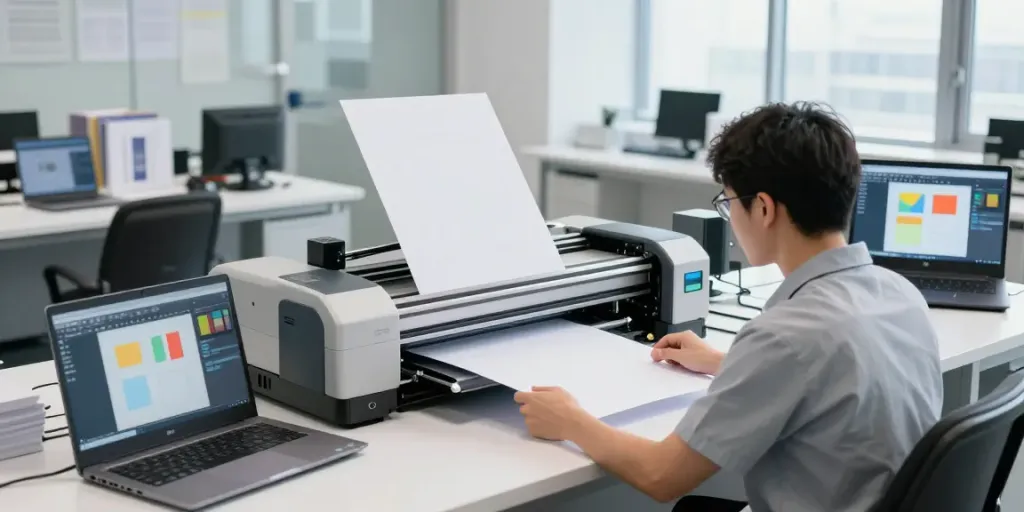
Understanding the ino Tec Process
In an era where managing large volumes of data effectively is crucial, businesses increasingly recognize the value of advanced document digitization processes. The ino Tec approach simplifies this task by integrating robust technology designed to enhance data accuracy and optimize workflow. Understanding the intricacies of the ino Tec process is essential for companies aiming to improve efficiency, reduce costs, and maintain compliance with regulatory demands.
The Technology Behind Document Scanning
Document scanning technology has evolved significantly over the past decade. Modern scanners are equipped with high-resolution imaging capabilities and advanced optical character recognition (OCR) software that converts scanned documents into machine-readable text. This technology ensures that information is not only digitized but can also be easily searched and accessed.
In addition to traditional flatbed scanners, innovations such as multi-feed scanners and mobile scanning apps are gaining traction. These tools allow for the quick capture of documents in various environments, leading to greater flexibility and efficiency in the digitization process.
How ino Tec Enhances Data Accuracy
Data accuracy is paramount for effective document management. Errors in data entry can lead to significant challenges, including compliance issues and financial loss. ino Tec employs sophisticated verification systems that utilize AI and machine learning to cross-reference scanned data with existing databases. This ensures a high degree of accuracy and minimizes the risk of human error.
Moreover, automated data extraction techniques streamline the capturing of crucial information from various document types, allowing businesses to focus on their core competencies instead of manual data processing.
Streamlined Workflow with ino Tec Solutions
Workflow automation is another critical component of the ino Tec solution. By implementing automated document routing and approval processes, organizations can significantly speed up their operations. For instance, invoices can be scanned, verified, and routed to the appropriate department for approval in a matter of minutes, drastically reducing processing times.
This seamless integration allows for better collaboration among teams, as electronic documents can be shared and accessed in real-time, fostering a more agile and responsive workplace.
Challenges in Document Management
While the benefits of digitization are clear, many organizations encounter obstacles during implementation. Understanding these challenges can help businesses prepare effectively and minimize disruptions.
Common Obstacles in Traditional Scanning
One of the primary challenges in traditional scanning methods is the time-consuming nature of the process. Scanning large volumes of documents often requires significant manpower and can lead to bottlenecks. Additionally, the physical storage of paper documents poses issues of space and accessibility.
Another challenge is the variance in document quality; some documents may be faded, wrinkled, or otherwise damaged, making them difficult to scan accurately. This can lead to incomplete or inaccurate data being stored in digital formats.
Addressing Misconceptions About Document Digitization
There are several misconceptions regarding document digitization that can hinder its adoption. One common myth is that digitization is a one-time effort. In reality, effective document management requires continuous attention and maintenance to keep data organized and secure.
Another misconception is that all scanning solutions are the same. In fact, the choice of technology and vendor can significantly affect the quality of digitization and the effectiveness of the document management system.
Strategies to Overcome Implementation Hurdles
To effectively address these challenges, companies should begin with a thorough assessment of their current document management practices. Identifying specific pain points can help guide the selection of appropriate scanning technologies and workflows.
Moreover, investing in employee training is essential. Staff should be well-versed in using the new systems to minimize resistance and ensure smooth transitions. Establishing clear protocols and processes can also facilitate a more efficient digitization journey.
Best Practices for Effective Document Digitization
Implementing best practices in document digitization can make a significant difference in the overall effectiveness and efficiency of the process. Organizations should adopt a strategic approach to ensure success.
Choosing the Right Equipment for Your Needs
The first step in successful document digitization is selecting the right equipment. Businesses should consider factors such as volume, document type, and specific features like duplex scanning or OCR capabilities. Furthermore, investing in high-quality scanners can lead to improved output and can address some of the challenges associated with low-quality documents.
Integrating ino Tec with Existing Systems
An essential aspect of document management is ensuring that new digitization solutions integrate well with existing business systems. This prevents the creation of data silos and improves overall workflow efficiency. Solutions like ino Tec provide APIs and integration capabilities that facilitate seamless connections between different systems.
Measuring Success in Document Digitization
To fully appreciate the benefits of digitization, organizations need to establish metrics for success. Key performance indicators (KPIs) could include processing time for documents, accuracy rates, and overall cost savings. Regularly reviewing these metrics can help organizations identify areas for improvement and streamline their processes further.
Real-World Applications and Case Studies
Understanding how other organizations have successfully implemented digitization strategies can provide valuable insights and inspire similar efforts.
Success Stories with ino Tec in Various Industries
Numerous industries have reaped the benefits of using ino Tec solutions. For example, healthcare organizations have enhanced patient care by digitizing patient records, leading to quicker access to important information and improved outcomes. Financial services have also seen advantages by digitizing records to streamline compliance and risk management.
Comparative Analysis of Document Management Solutions
Organizations often face a myriad of choices when it comes to document management solutions. A comparative analysis may reveal that some vendors provide stronger support for integration, while others excel in user experience or service training. By carefully evaluating these factors, businesses can select the solution that best meets their needs.
Lessons Learned from Case Implementations
Every digitization effort provides lessons that can inform future initiatives. For instance, some organizations have discovered that investing in technology alone is insufficient without parallel investments in staff training and process optimization. Understanding these lessons can foster a culture of continuous improvement within organizations.
The Future of Document Scanning and Management
As technology continues to evolve, so too will the landscape of document scanning and management. Keeping abreast of emerging trends is crucial for businesses seeking to stay competitive.
Emerging Trends in Digitization Technologies for 2026
Looking ahead to 2026, emerging trends such as cloud-based solutions and enhanced mobile scanning capabilities are expected to reshape the document management landscape. Cloud technology allows for better scalability and accessibility, while mobile applications enable on-the-go document capture.
The Role of AI and Automation in Document Management
AI and automation will play an increasingly pivotal role in document management. From automating data entry to predictive analytics that help organizations anticipate trends, these technologies will enhance efficiency and accuracy in unparalleled ways.
Predictions for the Industry's Growth
As organizations continue to recognize the value of effective document management, the industry is poised for substantial growth. Increased investment in digitization technologies and training will drive advancements in systems and processes, paving the way for more streamlined operations.
How Businesses Can Prepare for the Future?
To prepare for the future, organizations should adopt a proactive approach to digitization. This includes investing in scalable solutions, fostering a culture of continuous learning, and remaining adaptable to technological advancements. By doing so, businesses can ensure they remain at the forefront of document management innovation.