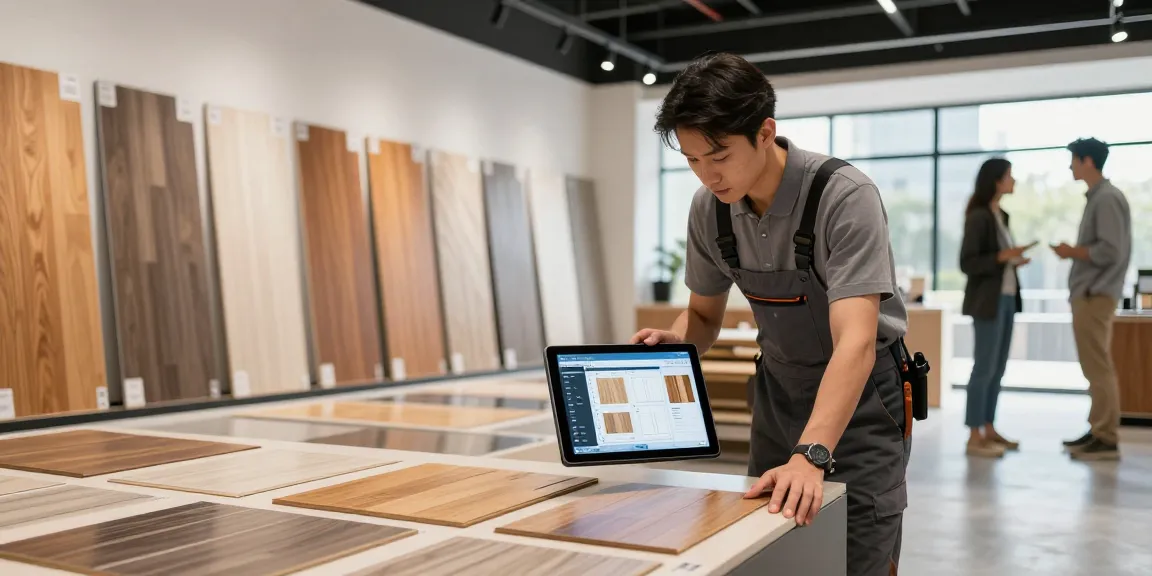
Understanding Flooring Software: Key Features and Benefits
Flooring software has emerged as an essential tool for flooring professionals and retailers, providing a digital platform that streamlines operations, enhances customer engagement, and maximizes productivity. As the flooring industry evolves, leveraging advanced technologies and innovative solutions becomes crucial for staying competitive. When exploring options, flooring software provides comprehensive insights into how these tools can enhance business processes and customer experiences.
What is Flooring Software?
Flooring software is a specialized application designed to assist businesses in the flooring industry with various aspects of their operations. This includes functionalities for managing inventory, sales, and customer relationships, as well as tools for project management, measurement, and design visualization. By addressing the unique needs of flooring professionals, such software facilitates not only operational efficiency but also improves customer satisfaction through more accurate service delivery.
Essential Features of Flooring Software Solutions
- Inventory Management: Track stock levels, manage suppliers, and automate reordering processes to avoid shortages and surplus.
- Sales Management: Create estimates, process orders, and handle invoices all in one place, reducing administrative workload.
- Design Visualization: Use augmented reality and 3D modeling tools to visualize flooring options for customers, enhancing the buying experience.
- CRM Capabilities: Manage customer interactions and data to improve relationships and personalize service offerings.
- Reporting and Analytics: Generate insights into sales trends, customer preferences, and operational efficiency to inform business strategy.
Benefits for Flooring Professionals and Retailers
The adoption of flooring software brings numerous advantages for industry professionals. Firstly, it significantly reduces the time spent on manual tasks, allowing teams to focus on higher-value activities such as customer engagement and project execution. Secondly, automation leads to increased accuracy in order processing and inventory management, minimizing costly errors. Lastly, the analytical tools embedded in many flooring software solutions enable data-driven decision-making, helping businesses identify new market opportunities and optimize operations.
Choosing the Right Flooring Software for Your Business
Assessing Your Business Needs and Goals
Before selecting flooring software, it’s essential to perform a thorough assessment of your business needs and goals. Consider the following questions:
- What specific challenges are you facing that flooring software could solve?
- What features are absolutely necessary for your operations?
- How do you envision the software improving customer interactions?
By answering these questions, you can create a clear picture of what you require from the software and ensure your selection aligns with your long-term business strategy.
Comparative Analysis of Top Flooring Software Tools
There are numerous flooring software solutions available, each with unique strengths and weaknesses. Some of the leading options include:
- ProFloor Manager: Known for its user-friendly interface and robust inventory management system.
- Flooring Estimator: Specializes in creating detailed estimates and offers powerful measuring tools.
- DFL Software: Offers extensive CRM capabilities combined with project tracking functionalities.
A comparative analysis can help you gauge which software aligns best with your specific operational needs and budget considerations.
Factors to Consider: Cost, Usability, and Support
When evaluating different flooring software tools, it’s crucial to consider factors such as:
- Cost: Analyze the pricing models to ensure the software fits your budget, considering both upfront and ongoing costs.
- Usability: Look for solutions with intuitive interfaces that will minimize training time and improve user adoption.
- Customer Support: Assess the level of customer support provided, including availability of training resources and technical assistance.
Implementing Flooring Software: A Step-by-Step Guide
Pre-Implementation Checklist for Flooring Businesses
Successfully implementing flooring software requires careful planning. A pre-implementation checklist might include:
- Identifying key stakeholders and forming a project team.
- Setting clear objectives for what you want to achieve with the software.
- Preparing your existing data for migration—cleaning up and organizing records.
- Establishing a timeline for implementation and rollout.
Training Your Team on New Software Solutions
Training is vital to ensure your team can effectively use the flooring software. Consider the following training strategies:
- Conduct hands-on training sessions led by software experts.
- Provide access to online tutorials and resources for continuous learning.
- Encourage team members to share tips and tricks through regular meetings.
Common Pitfalls to Avoid During Implementation
To ensure a smooth implementation, you should be aware of common pitfalls such as:
- Not involving end-users in the software selection process, which can lead to resistance.
- Underestimating the time required for data migration and training.
- Lack of ongoing support post-implementation, which can result in decreased user satisfaction.
Maximizing Productivity with Flooring Software
Streamlining Workflow Processes with Automation
One of the most significant advantages of flooring software is its ability to automate routine tasks. By automating processes such as invoicing and inventory tracking, businesses can free up valuable time for their teams to concentrate on customer service and complex projects.
Integrating Flooring Software with Existing Systems
To maximize the software’s benefits, consider integrating it with existing systems, such as accounting or e-commerce platforms. This seamless integration allows for data consistency across platforms, enhancing overall operational efficiency.
Using Data Analytics for Business Decisions
Flooring software often comes equipped with data analytics capabilities that can help inform strategic business decisions. By analyzing sales data and customer interactions, flooring professionals can identify trends, predict market shifts, and tailor service offerings to meet customer preferences.
Future Trends in Flooring Software: What to Expect by 2026
Emerging Technologies and Innovations
As we look towards 2026, several emerging technologies are set to shape the future of flooring software. These include advancements in artificial intelligence (AI), machine learning, and cloud computing that will enhance functionality and accessibility.
Impact of Virtual Reality and Augmented Reality
Virtual reality (VR) and augmented reality (AR) technologies are poised to revolutionize customer experience in the flooring industry. These technologies allow customers to visualize flooring options in their own spaces before making a purchase, significantly enhancing engagement and satisfaction.
Evolution of Customer Engagement in Flooring Sales
The way businesses engage with customers is evolving rapidly, with personalized experiences becoming the norm. Flooring software will increasingly incorporate CRM features to deliver customized interactions, further improving customer loyalty and retention.
What are the advantages of using flooring software?
The advantages of utilizing flooring software range from increased efficiency and accuracy in operations to enhanced customer experience and satisfaction. By automating many of the tasks traditionally performed manually, businesses can operate more smoothly and focus on delivering quality service.
How can flooring software improve customer experience?
Flooring software can improve customer experience by providing tools for better communication, faster service, and personalized offerings. Features such as design visualization and CRM capabilities allow businesses to cater more effectively to individual customer needs.
What is the cost of flooring software?
The cost of flooring software varies widely based on features, integration capabilities, and vendor pricing structures. Some providers offer subscription-based models, while others may require a one-time purchase. As with any software, it’s important to thoroughly understand the pricing before committing.
How to train staff on new flooring software?
Training staff on new flooring software can be accomplished through a combination of hands-on workshops, online courses, and ongoing support. Ensuring that all team members are comfortable with the software will facilitate a smoother transition and increase productivity.
What are the latest trends in flooring software for 2026?
Latest trends in flooring software for 2026 include advancements in AI and machine learning, greater use of AR and VR technologies for customer engagement, and an emphasis on data and analytics for informed decision-making. These trends will shape the future capabilities of flooring solutions.