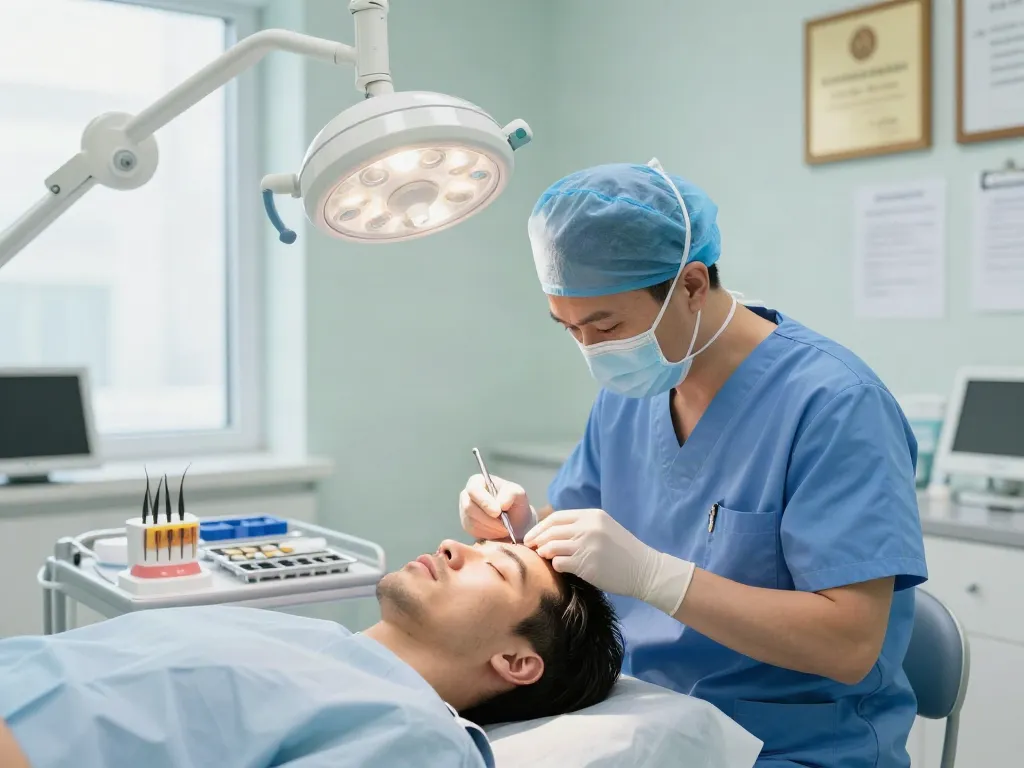
Understanding Hair Transplant Techniques
As the demand for hair restoration solutions continues to rise, especially in regions like Malaysia, understanding the various hair transplant techniques available is crucial for anyone considering this transformative procedure. A Hair Transplant involves relocating hair follicles from a donor site to balding or thinning areas of the scalp, utilizing advanced techniques to ensure natural-looking results. This guide will explore the most popular methods used in Malaysia, including their advantages and disadvantages, helping you make an informed decision.
What is a Hair Transplant?
A hair transplant is a surgical procedure designed to treat hair loss by moving hair from one part of the body, known as the donor site, to an area where hair is thinning or absent. Typically, the donor site is the back or sides of the scalp, where hair growth is genetically resistant to baldness. The result is a natural-looking hairline that restores your confidence and enhances your appearance.
Overview of SMART™ FUE Technique
The SMART™ FUE (Follicular Unit Extraction) technique is a cutting-edge method pioneered at GLOJAS Specialist Clinic in Malaysia. This technique involves extracting individual hair follicles using a small, precise tool, which minimizes scarring and reduces recovery time compared to traditional methods. Patients benefit from a more natural aesthetic since the extracted grafts are carefully implanted in a manner that mirrors the natural hair growth pattern. Moreover, because the procedure is minimally invasive, patients can enjoy a quicker return to their daily activities.
Comparative Analysis: FUE, FUT, and DHI
When considering a hair transplant, it's essential to understand the differences between the primary techniques: FUE, FUT (Follicular Unit Transplantation), and DHI (Direct Hair Implantation). Each method has distinct advantages and potential drawbacks.
- FUE: Involves individual graft extraction which leaves minimal scarring. Ideal for those preferring shorter hairstyles.
- FUT: Involves removing a strip of scalp tissue, which can lead to a linear scar but allows for a larger number of grafts in a single session.
- DHI: Utilizes a specialized pen-like tool for direct implantation, offering greater control over the angle and depth of each graft but requiring a longer procedure time.
Who Can Benefit from a Hair Transplant?
Understanding who is a suitable candidate for a hair transplant is vital. Generally, individuals experiencing male or female pattern baldness, who have sufficient donor hair and are in good health, make ideal candidates. Additionally, those looking to address receding hairlines or thinning areas can significantly benefit from this procedure.
Identifying Good Candidates for Hair Transplants
Good candidates typically possess the following characteristics:
- Stable hair loss with established patterns
- Good overall health and realistic expectations
- Sufficient donor hair available for extraction
Conversely, individuals with diffuse hair loss, medical conditions affecting hair growth, or those who are still experiencing active hair loss may require alternative treatments or therapies. A thorough consultation with a qualified hair restoration specialist is essential for confirming candidacy.
Common Causes of Hair Loss
Hair loss can result from various factors, including genetic predisposition, hormonal changes, and certain medical conditions. Understanding the underlying cause is imperative as it influences treatment options. Common causes include:
- Genetics: The most prevalent cause, with variations in hair loss patterns between men and women.
- Medical Conditions: Conditions such as thyroid issues or autoimmune diseases can lead to hair thinning.
- Hormonal Changes: Factors like pregnancy, menopause, or hormonal imbalances can contribute significantly to hair loss.
Understanding Male and Female Pattern Baldness
Male pattern baldness often follows a predictable pattern, starting at the hairline and crown. In contrast, female pattern baldness typically results in overall thinning rather than complete baldness. Each type necessitates a tailored approach to treatment.
Cost Factors of Hair Transplants in Malaysia
The cost of hair transplants in Malaysia is generally more affordable compared to regions like the US or Europe. Prices typically range from RM8,000 to RM30,000, depending on the number of grafts and the chosen technique. Understanding the various cost factors will help you budget appropriately for your procedure.
Average Pricing Model and Hidden Costs
The average cost per graft can vary significantly between clinics, usually falling between RM5 and RM15 per graft. Patients should inquire about the total estimated costs, which may include consultations, follow-up appointments, and any necessary post-operative medications.
Financing Options and Insurance Considerations
Since hair transplants are often considered cosmetic procedures, they are typically not covered by health insurance plans. However, many clinics offer financing options to make the treatment more accessible. It is advisable to discuss these options during your initial consultation.
Cost Comparison: Malaysia vs. International Clinics
Hair transplant costs in Malaysia are generally 40-60% more affordable than equivalent procedures in the US, UK, or Australia. This price advantage makes Malaysia an increasingly popular destination for hair restoration.
An Overview of the Hair Transplant Procedure
The hair transplant procedure is typically performed as an outpatient treatment using local anesthesia. Understanding what to expect can help ease any anxieties associated with the process.
Step-by-Step Process of a Hair Transplant
The hair transplant process generally consists of three main steps:
- Consultation: Your journey begins with a detailed consultation, where your hair loss pattern, medical history, and expectations are discussed.
- Extraction: Depending on the chosen technique, hair follicles are either extracted individually (FUE) or via a strip of scalp (FUT).
- Implantation: The harvested follicles are strategically implanted into thinning or balding areas of the scalp.
A Patient's Guide to Pre and Post-Operative Care
Following your consultant's instructions can significantly enhance your results. Before the procedure, avoid blood thinners and certain medications as advised. Post-procedure, patients should adhere to care guidelines to optimize healing and hair growth.
What to Expect During Recovery
Recovery time varies depending on the method used. Generally, patients can expect some swelling and discomfort, but these symptoms usually diminish within a few days. The newly transplanted hair will shed within a few weeks, but regrowth typically begins within three to six months.
Future Trends in Hair Restoration Techniques
The field of hair restoration is rapidly evolving, with continual advancements offering new hope for individuals seeking effective solutions.
The Role of Technology in Hair Transplants
As technology advances, the techniques and tools utilized in hair transplantation are becoming increasingly sophisticated. This includes the use of robotic systems for extraction and implantation, providing consistency and precision.
Emerging Innovations in Hair Restoration
Research into regenerative medicine is paving the way for innovative treatments, including stem cell therapy and growth factor applications that could complement traditional hair transplant methods.
Predictions for Hair Transplant Procedures in 2026
By 2026, we can expect to see further integration of artificial intelligence and personalized medicine in hair restoration, leading to enhanced outcomes and patient satisfaction.
FAQs on Hair Transplant Techniques
In this section, we address some common queries for individuals considering hair transplants:
How long will hair transplants last?
Hair transplants can provide permanent results, as the transplanted hair follicles retain their resistance to hair loss.
How much do 3,000 hair grafts cost in the USA?
In the United States, the cost for 3,000 grafts can range from $4,000 to $15,000, differing by clinic and location.
How risky are hair transplants?
While generally safe, hair transplants carry risks such as infection or scarring. However, complications are rare when performed by qualified professionals.
Is a hair transplant 100% successful?
Success rates vary, but most patients experience satisfactory results. Factors influencing success include the surgeon's skill, technique used, and patient care.