Understanding Custom Exhibition Stands
In today's competitive marketplace, standing out at exhibitions and trade shows is crucial for brands aiming to capture attention and engage their target audience. A well-designed custom exhibition stand not only serves as a physical representation of the brand but also plays a pivotal role in conveying its unique value proposition. The design process of such stands is no small feat; it requires a blend of creativity, strategic thinking, and meticulous planning. When exploring options, Custom Solutions Group delivers the expertise needed to create bespoke solutions that resonate with event-goers and leave a lasting impression.
What Makes a Stand Truly Custom?
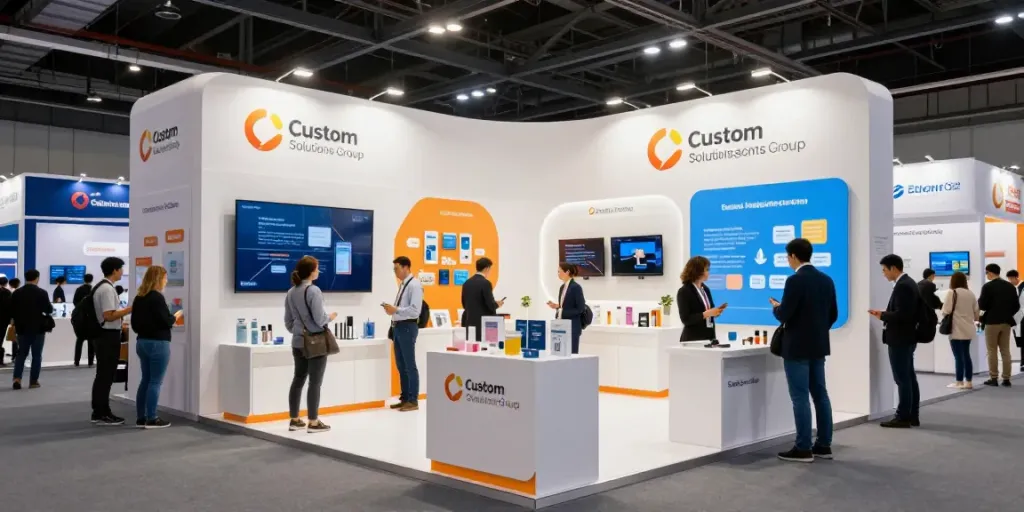
A truly custom exhibition stand is tailored to the specific needs and goals of a brand. Unlike standard solutions, which often adhere to a rigid template, custom stands are designed from the ground up. This flexibility allows brands to choose materials, colors, shapes, and layouts that reflect their identity and objectives. The incorporation of multimedia elements, interactive displays, and unique structures can enhance functionality and aesthetic appeal, making these stands memorable. Custom designs also consider the spatial dynamics of the venue, ensuring optimal visibility and accessibility.
Benefits of Tailored Exhibition Designs
- Brand Differentiation: A well-executed custom stand distinguishes a brand from competitors, ensuring it doesn't blend into the background of an exhibition hall.
- Enhanced Engagement: Tailored designs enable brands to create immersive experiences that attract and engage visitors more effectively.
- Increased Visibility: A unique design can capture attention from afar, driving foot traffic and increasing opportunities for interaction.
- Flexibility: Custom stands can be modified for different events and requirements, providing long-term value.
How Custom Solutions Group Stands Out
With years of hands-on experience, Custom Solutions Group understands the nuances of delivering exhibition stands that not only meet but exceed client expectations. The team integrates smart design elements, high-quality materials, and strategic insights to create compelling displays. Their collaborative approach includes working closely with clients to understand their vision and objectives thoroughly, ensuring every stand is a true reflection of the brand's ethos.
Designing for Impact
Designing an exhibition stand involves various elements that contribute to its overall impact. A well-rounded design takes into account the brand identity, audience preferences, and the event's specific characteristics.
Key Elements of Eye-Catching Stands
- Visual Appeal: Striking colors, innovative shapes, and unique features attract the eye.
- Functionality: The design should facilitate interaction and allow for easy navigation.
- Brand Messaging: Clear and concise messaging is crucial; visitors should understand the brand’s offerings within moments.
- Engagement Tools: Incorporating technology like augmented reality or interactive displays can significantly enhance visitor engagement.
Integrating Brand Identity into Design
Every exhibition stand should reflect its brand’s identity. This integration involves using brand colors, logos, and thematic elements that resonate with the target audience. For instance, a tech company might utilize sleek lines and digital displays, whereas a craft brand might opt for a rustic, handmade look. Aligning the stand’s design with the brand's persona not only helps in creating a cohesive experience but also reinforces brand recognition and loyalty among attendees.
Case Studies of Successful Exhibitions
Successful case studies often highlight how tailored exhibition designs can lead to increased engagement and sales. For example, a leading automotive brand recently debuted its latest models at an international auto show with a custom stand featuring interactive touchpoints and live demonstrations. This approach not only attracted high foot traffic but also resulted in a measurable increase in inquiries and pre-orders.
Cost-Effective Solutions
Cost is often a significant concern when planning for exhibitions. Fortunately, various solutions exist that can help brands maximize their investment while still achieving excellent results.
Exhibition Stand Packages Explained
Exhibition stand packages offer a practical solution for businesses looking to balance cost and quality. These packages usually include essential services such as design, production, and installation at a competitive price point. By opting for a package, brands can avoid unforeseen costs while still receiving a professional and eye-catching display. Custom Solutions Group provides flexible packages designed to cater to different budgets without compromising on quality.
When to Choose a Custom vs. Standard Stand
Deciding whether to go for a custom or standard stand depends on several factors, including budget, branding goals, and the nature of the exhibition. Standard stands can be an excellent choice for smaller businesses or those attending local events with minimal branding needs. In contrast, custom stands shine in larger exhibitions or trade shows where a strong brand presence is necessary to attract attention and generate leads.
Maximizing Budget Efficiency in Design
To make the most of your exhibition budget, consider the following strategies:
- Plan Early: Early planning allows for better budgeting and avoids last-minute costs.
- Negotiate Vendor Contracts: Building relationships with suppliers can lead to better rates and discounts.
- Be Selective with Materials: Choose cost-effective materials that do not sacrifice quality.
- Focus on Essentials: Prioritize features that will have the most significant impact on visitor engagement.
Project Management for Exhibitions
Effective project management is critical in ensuring that a custom stand is delivered on time and meets the client's specifications. From the initial concept to the final installation, each phase of the project requires careful coordination and execution.
Steps for Seamless Execution
The project management process can be broken down into several key steps:
- Initial Consultation: Understanding the client's needs and expectations.
- Design Development: Creating a detailed design plan and layout.
- Production and Assembly: Overseeing construction and ensuring quality standards are met.
- On-Site Installation: Coordinating logistics and ensuring timely setup at the exhibition venue.
- Post-Event Evaluation: Analyzing the stand's performance and gathering feedback for future improvements.
Collaborative Approaches with Clients
Collaboration is essential in project management, especially with clients who may not have extensive knowledge of the exhibition industry. Custom Solutions Group prides itself on fostering open lines of communication throughout the project, allowing clients to provide input and feedback at each stage. This approach not only builds trust but also ensures the final product aligns closely with the client’s vision.
Monitoring Success Metrics Post-Event
Post-event analysis is crucial for assessing the stand's performance. Key metrics to evaluate include visitor footfall, lead generation, brand awareness, and overall engagement levels. Gathering this data enables businesses to measure the return on investment and informs strategies for future exhibitions.
Future Trends in Exhibition Design
The landscape of exhibition design is continually evolving. Staying ahead of trends can provide brands with a competitive edge in attracting visitors.
Innovations in Sustainable Display Solutions
As sustainability becomes a priority for consumers, many brands are adopting eco-friendly materials and practices in their exhibition stands. This trend includes using recycled materials, energy-efficient lighting, and reusable structural components that minimize waste. Custom Solutions Group is at the forefront of these innovations, ensuring that their designs are not only impactful but also environmentally responsible.
Emerging Technologies Enhancing Engagement
Technological advancements are reshaping how brands engage with audiences at exhibitions. Augmented reality (AR) and virtual reality (VR) offer unique ways to create immersive experiences that captivate visitors. Integrating these technologies into stand designs can transform passive observers into active participants, significantly enhancing engagement levels.
Predictions for Exhibition Experiences in 2026
Looking ahead to 2026, we can expect exhibition experiences to become increasingly interactive and personalized. Brands will leverage data analytics to tailor their stands to meet the specific needs and preferences of their audience. Furthermore, advancements in AI and machine learning may allow for real-time feedback and adaptation of displays, redefining the visitor experience.
What are the costs associated with custom exhibition stands?
The costs of custom exhibition stands can vary significantly based on factors such as design complexity, material choice, and size. Brands should prepare a budget that encompasses design, production, transportation, and on-site installation for a comprehensive estimate.
How long does it take to design and build a custom stand?
The timeline for designing and building a custom stand typically ranges from four to eight weeks, depending on the complexity of the design and the availability of materials. Early engagement is vital to ensure smooth progress.
What types of materials are used in exhibition stand designs?
Common materials for exhibition stands include wood, metal, fabric, and acrylic. Each material offers different aesthetic and functional benefits, allowing for a diverse range of designs.
Can Custom Solutions Group assist with international exhibitions?
Yes, Custom Solutions Group has the expertise and resources to manage international exhibitions, ensuring compliance with local regulations and standards while delivering a standout presence on a global stage.
How do I choose the right exhibition stand for my brand?
Selecting the right exhibition stand involves considering your brand identity, the event's target audience, and your budget. Consulting with experienced designers from Custom Solutions Group can help streamline this decision-making process.