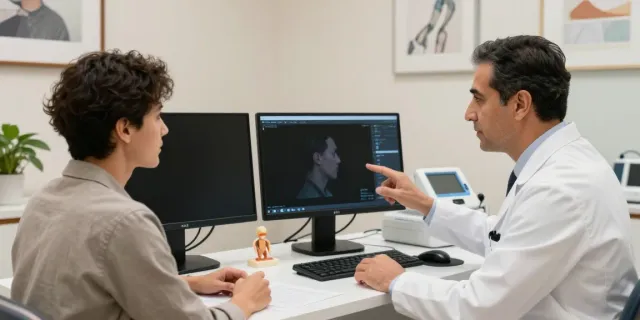
Understanding Physio Home Visits: What to Expect
If you're contemplating physiotherapy, you might be wondering about the benefits of physio home visits Sydney for your recovery. Home physiotherapy services have gained popularity, particularly for individuals seeking to optimize their healing journey in a familiar environment. In this article, we will provide a comprehensive overview of what you can expect from home physiotherapy services, emphasizing their benefits and the personalized care they offer.
Comprehensive Overview of Home Physiotherapy Services
Home physiotherapy encompasses a range of services tailored to meet individual needs. A qualified physiotherapist visits your home to conduct assessments and develop personalized treatment plans. These services may include injury rehabilitation, chronic pain management, post-operative care, and even sports performance enhancement.
Common treatments offered during home visits include manual therapy, therapeutic exercise programs, and education on injury management or pain relief techniques. The physiotherapist will also provide advice on ergonomics and ways to adapt your home environment to support recovery. With ongoing assessments, they can adjust your program as your needs change.
Benefits of Choosing Mobile Physiotherapy
The convenience of mobile physiotherapy cannot be overstated. Home visits eliminate the stress of traveling to a clinic, which can be especially beneficial for those with mobility issues or chronic pain. Moreover, personalized therapy in a comfortable setting allows patients to engage more fully in their rehabilitation process.
Mobile physiotherapy promotes a holistic approach to treatment by allowing therapists to observe the patient's living conditions and make tailored recommendations accordingly. This eye-opening perspective can prove essential for successful rehabilitation that extends beyond standard exercises.
How Home Visits Facilitate Personalized Care
One of the standout features of home physiotherapy is the tailored care it offers. After a thorough assessment, physiotherapists create individualized treatment plans based on their observations and the patient's specific conditions or injuries. This bespoke approach maximizes the effectiveness of treatment protocols and enhances recovery outcomes.
Home visits also foster a conducive environment for open communication between the therapist and patient. By removing the distractions often present in clinical settings, patients may feel more comfortable expressing their concerns, leading to better patient-centered care.
Identifying Your Needs: When to Seek Physiotherapy
Knowing when to seek physiotherapy is crucial for optimizing your recovery pathway. Whether you're dealing with an acute injury or chronic discomfort, understanding the indicators can prompt timely intervention and improve health outcomes.
Recovering from Injuries: Indicators for Professional Help
Acute injuries such as sprains, strains, or fractures often require professional physiotherapy intervention for effective recovery. Symptoms that indicate the need for physiotherapy include persistent pain, swelling, reduced range of motion, and difficulty performing daily activities. Early evaluation by a physiotherapist can help in developing an appropriate treatment strategy, setting you on the path to recovery.
Chronic Pain Management Through Home Physiotherapy
Chronic pain conditions like arthritis, fibromyalgia, and persistent back pain may not always have a singular solution, but physiotherapy offers an array of strategies for management. If you've experienced ongoing pain that affects your quality of life, consulting with a home physiotherapist can lead to personalized pain management plans, combining manual therapy, therapeutic exercise, and education about self-management techniques.
Sports Performance Enhancement at Home
Athletes often seek physiotherapy not only for injury recovery but also for performance enhancement. Home physiotherapy can include tailored exercise regimens designed to improve strength, flexibility, and overall athletic performance. By working closely with a physiotherapist, athletes can ensure they follow best practices in their training while reducing the risk of injury.
The Role of NDIS in Accessible Physiotherapy
For individuals with disabilities, the National Disability Insurance Scheme (NDIS) plays a pivotal role in facilitating access to necessary physiotherapy services. Understanding how to navigate NDIS funding for physiotherapy can significantly improve one's access to quality care.
Navigating NDIS-Funded Physiotherapy Options
NDIS-funded physiotherapy options cover a range of services aimed at enhancing independent living. Eligible participants can use their funding for mobile physiotherapy services, ensuring that physical rehabilitation can occur conveniently at home.
Eligibility and Application Process for NDIS Services
To access NDIS services, individuals must meet specific eligibility criteria, which generally involves demonstrating a permanent and significant disability. The application process includes providing evidence of your condition, detailing how it impacts your daily life, and proposing a plan outlining how physiotherapy will aid in your recovery or development.
Home Care Packages: Integrating Physiotherapy into Daily Life
Home Care Packages offer additional options for older adults seeking physiotherapy services at home. Through tailored support, these packages can include physiotherapy as part of a holistic approach to health management, ensuring that seniors receive the care they need to maintain or improve their mobility and quality of life.
Enhancing Health Outcomes with a GP Management Plan
For patients with chronic health issues or complex care needs, Medicare's GP Management Plans provide structured care and support. Understanding how to leverage a GP Management Plan in conjunction with physiotherapy can lead to better health outcomes.
Understanding Medicare GP Management Plans
A GP Management Plan is a formal document created by your general practitioner (GP) that outlines your medical needs and the services necessary to meet those needs. It allows for coordinated, multidisciplinary care, which can include referrals to physiotherapists, allied health professionals, and other healthcare providers.
The Importance of Coordinated Care and Communication
Effective communication among your healthcare team is vital for comprehensive care. A GP Management Plan promotes ongoing dialogue between your GP, physiotherapists, and other health professionals, ensuring everyone is aligned on your treatment goals and progress.
Achieving Better Health with Integrated Services
By integrating physiotherapy into your overall health strategy, you set the stage for enhanced recovery and improved health outcomes. Collaborative efforts among healthcare professionals ensure individualized patient-centered plans, addressing both immediate and long-term health concerns.
Future Trends in Home Physiotherapy: Innovations Ahead
The landscape of healthcare is rapidly evolving, especially with advancements in technology. The future of home physiotherapy is promising, with innovations poised to enhance patient care.
The Rise of Telehealth in Physiotherapy
Telehealth has emerged as a key component of healthcare delivery, providing patients with access to physiotherapy services remotely. This is particularly beneficial for individuals in rural or remote areas, allowing health professionals to provide consultations and guidance without the need for physical visits.
Evidence-Based Practices Shaping Home Care
Healthcare continues to embrace evidence-based practices, ensuring that physiotherapy treatments are grounded in research and clinical efficacy. Continuous training and education enable physiotherapists to adopt the latest techniques and strategies to enhance patient outcomes.
Patient-Centric Approaches for 2026 and Beyond
As we move forward, the focus on patient-centered care will only intensify. For more information, physio home visits Sydney offers valuable insights. Personalized approaches to physiotherapy will consider not just physical recovery but also emotional wellbeing, aiming to support patients holistically as they navigate their health journeys.