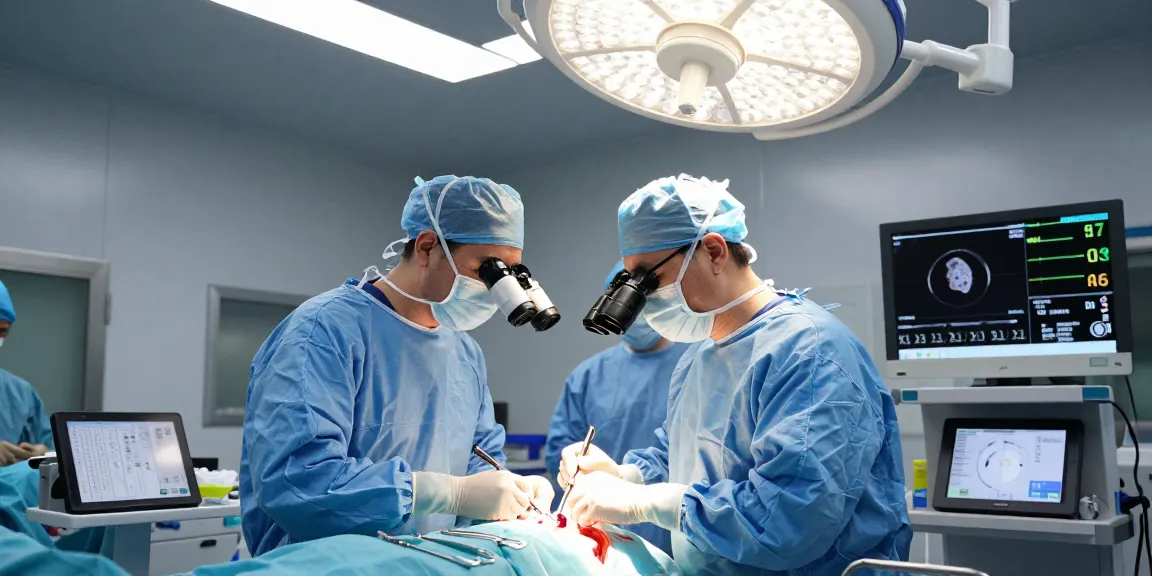
Understanding Brain Tumor Surgery
Brain tumor surgery is a critical intervention that can significantly impact a patient's life. With advancements in medical technology and surgical techniques, procedures have become safer and more effective, allowing healthcare professionals to better address various types of brain tumors. Understanding the intricacies of these surgeries, from preparation to postoperative care, is essential for patients and their families. When exploring options, beyin tümörü ameliyatı provides comprehensive insights into what patients can expect during their journey.
What is Brain Tumor Surgery?
Brain tumor surgery involves the removal of tumors within the brain, which can be benign or malignant. The primary objective is to excise the tumor while preserving surrounding healthy tissue as much as possible. Surgical options may vary based on the type, location, and size of the tumor, as well as the patient's overall health.
Types of Brain Tumors: Meningiomas and Gliomas
Brain tumors can be categorized into several types, with meningiomas and gliomas being among the most common. Meningiomas typically originate from the meninges, the protective layers covering the brain, and are usually benign. In contrast, gliomas arise from glial cells and can vary in aggressiveness, with glioblastoma multiforme (GBM) being one of the most aggressive forms.
The Importance of Early Diagnosis
Early diagnosis plays a crucial role in the effective management of brain tumors. Timely detection can lead to better surgical outcomes and a higher chance of preserving neurological function. Patients experiencing symptoms like persistent headaches, seizures, or cognitive changes should seek medical evaluation to rule out the presence of a brain tumor.
Preoperative Considerations for Brain Tumor Surgery
Patient Evaluation and Preparation
Before undergoing brain tumor surgery, a comprehensive evaluation of the patient is conducted. This includes a thorough medical history, physical examination, and neuroimaging studies. The healthcare team assesses the patient's neurological status to tailor the surgical approach accordingly.
Imaging Techniques: MRI and CT Scans
Advanced imaging techniques, such as magnetic resonance imaging (MRI) and computed tomography (CT) scans, are essential for visualizing the tumor's size, location, and relationship with surrounding brain structures. These images help in surgical planning and enable the surgical team to anticipate any potential challenges during the procedure.
Addressing Patient Concerns and Questions
Patients often have numerous questions regarding the surgery, including what to expect before, during, and after the operation. Open communication with the healthcare team is vital in alleviating concerns and providing reassurance. Discussing potential risks and postoperative care can help patients feel more prepared.
Techniques in Brain Tumor Surgery
Microsurgery and Its Advantages
Microsurgery involves the use of specialized instruments and techniques to perform surgery under a microscope, allowing for greater precision in removing tumors. This approach minimizes damage to healthy tissue and can enhance recovery times and overall outcomes.
Awake Brain Surgery: A Unique Approach
Awake brain surgery is a revolutionary technique where the patient is kept awake during part of the procedure. This method is particularly beneficial when tumors are located near critical functional areas of the brain responsible for speech and movement. The surgeon can interact with the patient to ensure vital functions are not compromised during tumor removal.
Role of Neuronavigation in Precision Surgery
Neuronavigation is a cutting-edge technology that provides real-time guidance during brain surgery. By integrating preoperative imaging with intraoperative data, surgeons can navigate precisely to the tumor location, ensuring safe and effective removal.
Postoperative Care and Recovery
Managing Expectations After Surgery
After brain tumor surgery, patients can expect a range of recovery experiences depending on the extent of the procedure and individual health factors. It is crucial for patients and caregivers to understand what to anticipate during the recovery phase, including potential symptoms and necessary follow-up care.
Signs of Complications: When to Seek Help
Patients and their families should be aware of warning signs that may indicate postoperative complications, such as increased swelling, severe headache, seizures, or changes in consciousness. Early recognition of these symptoms is important for timely intervention.
Long-term Follow-Up Care and Monitoring
Regular follow-up appointments and imaging studies are essential for monitoring the patient's recovery and detecting any recurrence of the tumor. These check-ups help ensure that any issues are addressed promptly, contributing to better long-term outcomes.
Future Trends in Brain Tumor Surgery
Advancements in Surgical Techniques for 2026
As technology continues to evolve, surgical techniques for brain tumor removal are becoming increasingly sophisticated. Innovations such as robotic surgery and enhanced imaging technologies are expected to improve precision and safety in the near future.
Integrative Approaches: Surgery and Radiation Therapy
Recent trends indicate a growing emphasis on integrative approaches that combine surgery with radiation therapy. This multimodal approach aims to enhance treatment effectiveness, particularly in cases of malignant tumors.
The Role of Personalized Medicine in Treatment
Personalized medicine, which tailors treatment based on the individual's genetic makeup and tumor characteristics, is becoming more prevalent in the management of brain tumors. This approach holds promise for optimizing outcomes and minimizing side effects.
What Can Patients Expect from Brain Tumor Surgery?
Patients can anticipate a thorough preoperative assessment, a carefully planned surgical approach, and a structured postoperative care regimen. Understanding these components can help mitigate anxiety and improve cooperation throughout the treatment process.
How to Support Recovery After Surgery?
Recovery after brain tumor surgery may require both physical and emotional support. Engaging in light physical activities, adhering to prescribed medications, and attending follow-up appointments are crucial for a smooth recovery period.
What Are the Risks Associated with Brain Tumor Surgery?
As with any surgical procedure, brain tumor surgery carries potential risks, including infection, bleeding, and neurological complications. A comprehensive discussion with the surgical team can help patients understand these risks and the measures taken to mitigate them.
What Is the Prognosis for Patients After Brain Tumor Surgery?
The prognosis following brain tumor surgery varies based on factors such as tumor type, size, location, and the patient’s overall health. Regular monitoring and ongoing care can significantly enhance prognosis.
How Is the Cost of Brain Tumor Surgery Determined?
The cost of brain tumor surgery can vary widely depending on factors such as the hospital or surgical center, the complexity of the surgery, and the type of insurance coverage. For more information, beyin tümörü ameliyatı offers valuable insights. Patients should discuss financial aspects with their healthcare provider to understand their options.