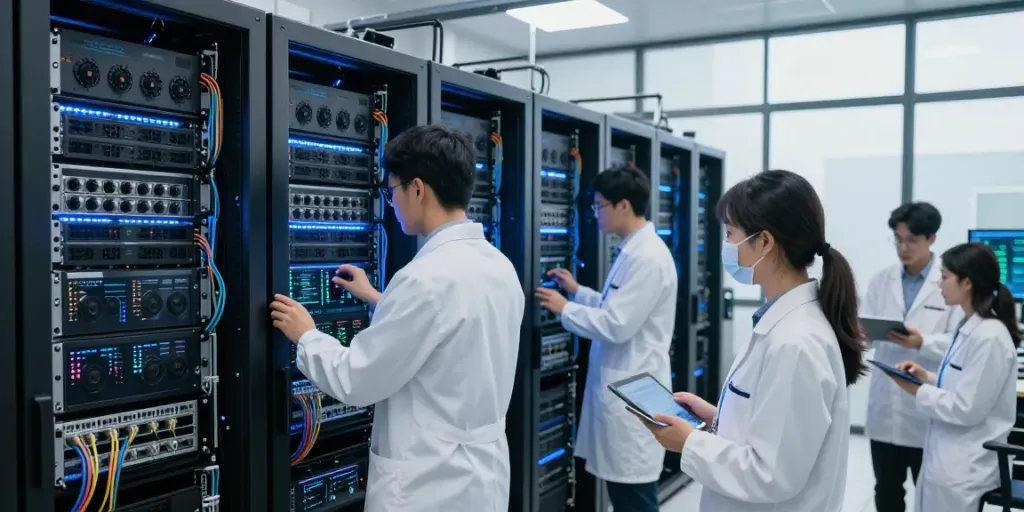
Understanding AI Data Centers
In the rapidly evolving landscape of technology, AI data centers have emerged as pivotal players. These specialized facilities are designed to meet the unique demands of artificial intelligence applications, housing sophisticated IT infrastructure necessary for training, deploying, and delivering AI services. By leveraging high-performance computing capabilities, they enable organizations to harness the power of AI more effectively. When exploring options, AI data center solutions are essential to understand for any business looking to optimize their operations in this dynamic field.
What Is an AI Data Center?
An AI data center is a facility equipped with specialized hardware and software to support artificial intelligence operations. Unlike conventional data centers, which are primarily optimized for general IT workloads, AI data centers focus on high-density computing, particularly utilizing Graphics Processing Units (GPUs) to handle complex machine learning and deep learning tasks. The architecture of these data centers reflects a shift in computing needs driven by the increasing complexity of AI algorithms and models.
Key Components of AI Infrastructure
The infrastructure of AI data centers includes several key components that work together to facilitate efficient AI operations:
- High-Performance Computing Hardware: This includes GPUs, TPUs (Tensor Processing Units), and powerful CPUs designed to execute parallel processing tasks quickly.
- Networking Equipment: Advanced networking solutions, such as high-speed switches and routers, ensure rapid data transfer between nodes and management of extensive data flows.
- Storage Solutions: AI workloads demand substantial storage capabilities; hence, AI data centers often utilize SSDs for speed and reliability.
- Power Management Systems: Efficient power supply and distribution are crucial, given the extensive energy demands of AI operations.
The Role of GPUs in AI Operations
GPUs play a crucial role in AI data centers as they provide the necessary computational power for processing large datasets and executing complex algorithms. Unlike traditional CPUs, GPUs are optimized for parallel processing, which is essential for tasks such as deep learning model training, where numerous calculations occur simultaneously. Their ability to handle multiple operations at once makes them indispensable in modern AI operations, significantly reducing processing time and increasing the efficiency of AI models.
Why AI Data Centers Are Essential
With the exponential growth of AI applications across various industries, the demand for AI data centers is surging. These facilities not only support essential AI workloads but also contribute to sustainability initiatives through energy-efficient practices and innovative design. Understanding their significance is vital for organizations aiming to leverage AI technologies effectively.
Supporting AI Workloads and Applications
AI data centers are designed specifically to accommodate the unique requirements of AI workloads, including high throughput and low latency for tasks like real-time data processing and inference. They support an array of applications, from natural language processing to autonomous systems, ensuring that businesses can deploy AI solutions at scale. By providing the necessary power and resources, these data centers enable organizations to innovate and respond to market demands swiftly.
Energy Efficiency and Sustainability Practices
As the environmental impact of technology becomes increasingly scrutinized, AI data centers are prioritizing energy efficiency and sustainable practices. Many facilities implement advanced cooling techniques, such as liquid cooling and free air cooling, to reduce energy consumption. Additionally, the integration of renewable energy sources, like solar or wind power, helps minimize the carbon footprint associated with AI operations.
Impacts on AI Development and Innovation
AI data centers significantly influence the pace of AI innovation. By providing robust infrastructure, they enable researchers and developers to experiment with larger datasets and more complex models, fostering breakthroughs in areas such as healthcare, finance, and autonomous vehicles. This capability drives rapid development cycles, making it possible for businesses to stay competitive in the fast-paced AI landscape.
AI Data Center Power Plans Explained
To effectively manage the energy demands of AI data centers, various power plans have been developed, enabling operators to allocate resources in a way that maximizes efficiency and minimizes costs. Understanding these plans is crucial for organizations aiming to optimize their AI infrastructure and operational budgets.
Defining Power Plans and Their Functions
Power plans in AI data centers define how electricity is supplied and managed within the facility. They outline the specific metrics for energy consumption based on different operational needs, allowing for flexible scaling and load management. Key elements of these plans include:
- Baseline Power Allocation: The minimum level of power guaranteed for core operations.
- Dynamic Scaling: Options for increasing power supply based on real-time demand, essential for fluctuating workloads.
- Cost Efficiency: Plans designed to minimize electricity costs while ensuring sufficient capacity to meet operational needs.
How to Choose the Right Power Plan
Selecting the appropriate power plan involves assessing the specific needs and capacities of your AI operations. Key considerations include:
- Workload Characteristics: Identify the nature of your AI workloads—are they consistent and predictable or variable and unpredictable?
- Scalability Requirements: Evaluate whether your operations are expected to grow and how the power plan can accommodate future demands.
- Budget Constraints: Analyze costs associated with different plans to ensure financial viability while meeting operational requirements.
Calculating Contribution Rewards
For organizations participating in AI data center operations, understanding how contribution rewards are calculated is essential to maximizing the benefits of power plans. Rewards are typically based on the actual power used against the baseline agreed upon in the power plan. This metric helps organizations gauge their efficiency and incentivizes the responsible use of resources.
Challenges in AI Data Center Management
While AI data centers offer numerous advantages, they are not without challenges. Managing these complex facilities requires addressing several misconceptions and operational hurdles that can impede performance and sustainability.
Common Misconceptions About AI Data Centers
One prevalent misconception is that all data centers can effectively support AI workloads without specific adaptations. In reality, traditional data centers often lack the necessary hardware, software, and cooling solutions to handle the intense requirements of AI operations. Understanding these distinctions is crucial for organizations aiming to transition to AI-optimized infrastructure.
Addressing Power and Cooling Issues
With the high power demands of GPUs and other AI-related hardware, addressing power and cooling challenges is critical. Implementing efficient cooling systems is necessary to prevent hardware degradation and operational failures. Strategies may include deploying advanced cooling technologies, optimizing airflow within the facility, and utilizing geographic advantages to leverage climate conditions for natural cooling.
Regulatory and Compliance Considerations
AI data center operators must navigate a complex landscape of regulatory requirements, particularly regarding energy consumption and data privacy. Staying compliant requires robust operational policies and regular assessments to ensure adherence to local and international standards, which can vary significantly across jurisdictions.
The Future of AI Data Centers
As the demand for AI applications continues to grow, the future of AI data centers looks promising yet challenging. Emerging technologies and evolving consumer expectations will shape the landscape of AI infrastructure in the years to come.
Emerging Trends in AI Infrastructure
Several trends are emerging in the AI data center space:
- Convergence of AI and Cloud Computing: The integration of AI capabilities into cloud platforms allows for more flexible and scalable AI services, enabling organizations to access powerful computing resources without significant capital investment.
- Edge Computing: As AI applications increasingly demand real-time processing, the deployment of edge computing solutions will allow data to be processed closer to its source, reducing latency and bandwidth use.
- Focus on Sustainability: The push for greener technologies is leading to innovations in energy efficiency and renewable energy utilization within AI data centers.
Innovations Shaping the Future Landscape
Innovative technologies such as quantum computing and advanced neural network architectures are likely to revolutionize the AI data center landscape. Quantum computing, for instance, holds the potential to dramatically increase processing capabilities, allowing AI models to learn from larger datasets more efficiently. This could accelerate AI development cycles and unlock new applications across various sectors.
Expectations for AI Power Demand in 2026
Looking ahead to 2026, the demand for AI power will continue to rise exponentially. Analysts predict a significant increase in energy consumption driven by growing adoption of AI technologies across industries and the need for more powerful computing resources. Businesses will need to prepare strategically to manage this rise in demand while maintaining operational efficiency and sustainability.